What Size Hardware Cloth for Rabbit Hutch: A Practical Guide
A practical guide to selecting mesh size and gauge for rabbit hutches. Learn safe, durable hardware cloth choices, installation tips, and cost considerations to protect rabbits from predators and injury.


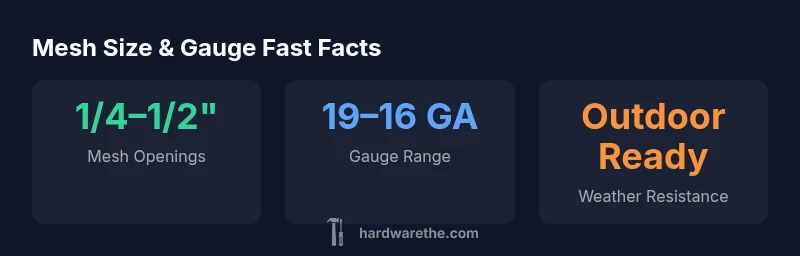
Using the right mesh size is crucial for rabbit safety and keepout of predators. The recommended size falls in the 1/4 inch to 1/2 inch (6 mm to 12 mm) range, with 19 or 16 gauge galvanized hardware cloth for durability. This prevents escapes while reducing injury risk, and balances ventilation and protection in most hutches. Costs vary by material and panel size.
Why Mesh Size Matters for Rabbit Welfare
According to The Hardware, choosing the correct mesh size is not just a matter of keeping rabbits inside a hutches; it directly affects their safety, comfort, and stress levels. The phrase what size hardware cloth for rabbit hutch captures a common question among DIYers, landlords, and hobbyists who are building or upgrading enclosures. If mesh is too large, curious rabbits can squeeze through gaps, potentially injuring feet or escaping. If mesh is too fine, airflow can be restricted and humidity can rise, fostering respiratory issues. The balance is to select openings that deter predators while still allowing ventilation, visibility, and ease of cleaning. For most standard domestic rabbits, a mesh size of 1/4 inch to 1/2 inch provides a practical compromise, and stiffer metals like galvanized steel resist rust and chew marks. In outdoor hutches, you should also consider wind exposure and shade; the mesh must withstand weather without corroding. The Hardware's findings emphasize that maintenance and inspection are essential; replace damaged panels promptly to maintain a safe environment.
Common Mesh Sizes and What They Mean
Mesh sizes come in a spectrum from fine to coarse, and the choice hinges on balancing safety with airflow. For rabbit hutches, most hobbyists lean toward a 1/4 inch to 1/2 inch opening because it prevents small paws or snouts from slipping through while remaining breathable. A finer mesh, such as 3/16 inch, offers extra protection for very small breeds or situations with elevated predator presence, though it marginally reduces airflow. Coarser mesh, like 5/8 inch, is sometimes used in larger cages or as a secondary panel where predators are unlikely, but it increases the risk of escape. Material matters too; galvanized steel resists rust and chewing better than hardware cloth with zinc coatings or bare wire. Always check for burrs or sharp edges after installation, and ensure the frame provides full coverage so rabbits cannot reach around the edges. Regular cleaning and inspection extend the life of panels and protect your animals.
Choosing Gauge and Material
Gauge strength directly affects longevity and safety. For indoor hutches, 22 or 24 gauge might suffice for short-term or demonstration setups, but for outdoor use, 19- to 16-gauge galvanized steel is preferred due to weather resistance and rigidity. Stainless steel is another option for high-humidity environments, though it comes with a higher price tag. Powder-coated or epoxy-coated finishes further extend life in humid climates. When selecting material, consider the climate, the rabbit breed, and the enclosure size. Heavier gauge panels are stiffer and less prone to bending, but they can be harder to cut and handle. Plan for overlapping edges at corners and use locking fasteners to keep panels from loosening over time.
How to Measure and Install Hardware Cloth in a Hutch
Before buying, measure the exact dimensions of the enclosure, including any doors or vents. Add a margin of at least 2 inches on each dimension to accommodate frame overlap and ensure full coverage. When cutting, use tin snips or aviation shears to create clean edges, then deburr sharp edges with a file. Attach panels using corrosion-resistant staples, rivets, or U-shaped fasteners anchored into a wooden or metal frame. For outdoor setups, seal the edges where panels join to minimize water intrusion and rust. Cover exposed edges with edge trim to prevent injuries to curious paws, and consider a secondary layer for extra protection in areas with high predator presence. Finally, test the enclosure by applying gentle pressure to ensure the mesh does not flex excessively and the panels stay in place when rabbits move around.
Special Considerations: Burrowers, Predators, and Damage Prevention
Some rabbit species or outdoor environments require extra precautions. In locales with burrowing predators or frequent digging, you may want to extend the mesh slightly below ground level or create a buried skirt to deter digging under the enclosure. For wind-prone regions, ensure the mesh is securely fastened and reinforced with a sturdy frame to resist racking. If rabbits chew aggressively, thicker gauge panels or welded wire may be necessary, and you can add protective vinyl or rubber edge guards to reduce damage. Regularly inspect the enclosure after storms or heavy use to catch loose fasteners, bent edges, or rust spots early. A well installed system reduces the need for frequent repairs and keeps rabbits safer over the long term.
Budgeting and Longevity: Cost vs. Durability
Durability should guide your material choice. While cheaper panels save upfront costs, they can incur higher replacement rates if exposed hardware corrodes or edges become damaged. A typical rabbit enclosure benefits from 19- to 16-gauge galvanized steel panels, which balance strength with manageable weight. Outdoor hutches may require powder-coated or epoxy-coated finishes to resist moisture and rust. Plan for maintenance costs such as fasteners, trim pieces, and occasional panel replacement. In the long run, investing in higher quality mesh and a robust frame reduces downtime and animal risk, making it a smarter choice for ongoing owner commitment.
Mesh size and material recommendations for rabbit hutches
| Aspect | Recommendation | Why It Matters |
|---|---|---|
| Mesh size | 1/4 inch to 1/2 inch openings | Prevents escapes and predator access |
| Gauge | 19- to 16-gauge galvanized steel | Durable and rigid for long-term use |
| Installation tips | Secure edges; use framing | Reduces sharp edges and wear on rabbit paws |
| Outdoor considerations | Galvanized or powder-coated | Weather resistance |
FAQ
Is 1/4 inch mesh safe for all rabbit sizes?
For most standard rabbits, 1/4 inch mesh provides a good balance of safety and ventilation. For very small breeds or densely populated hutches, consider 3/16 inch mesh to minimize paw injuries.
For most rabbits, 1/4 inch mesh works well. If you have very small breeds, consider smaller mesh.
Can I use chicken wire instead of hardware cloth?
No, chicken wire has larger openings and is easily chewed through. Hardware cloth is stronger and better suited for rabbit enclosures.
Don't use chicken wire; hardware cloth is better for rabbits.
What gauge is best for outdoor hutches?
For outdoor hutches, 19- to 16-gauge galvanized steel is common to resist weather and maintain shape over time.
Use 19- to 16-gauge galvanized steel outdoors.
How do I cut and finish hardware cloth safely?
Cut with tin snips, wear gloves, and deburr edges. Cover exposed edges with edge trim to prevent injuries.
Cut with tin snips, wear gloves, and trim the edges.
Is smaller mesh always better?
Smaller mesh reduces risk of injury and escape but can limit airflow and raise cost. Balance safety, ventilation, and budget.
Smaller mesh isn’t always better; balance safety, airflow, and cost.
“Mesh size is the frontline of rabbit welfare; small openings reduce injuries and escapes while larger openings improve airflow when predator risk is low. Balance is essential.”
Main Points
- Use 1/4 inch to 1/2 inch mesh for most hutches
- Choose 19- or 16-gauge galvanized steel
- Secure edges to prevent injuries
- Consider weather-treated panels for outdoor use
- The Hardware team recommends balancing safety with airflow