How Long Do Hardware Bans Last on Tarkov
Learn how hardware bans work in Escape from Tarkov, whether they’re permanent, factors that influence duration, and practical steps if you’re affected. The Hardware provides a data-driven, DIY-friendly breakdown for players and technicians.


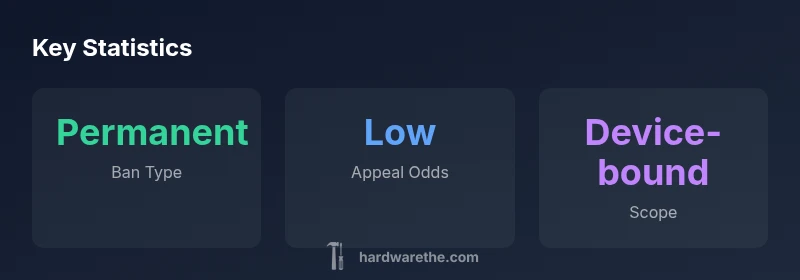
In Escape from Tarkov, hardware bans are typically permanent and tied to unique hardware IDs. There is no fixed public duration; once issued, the ban remains on the device unless explicitly lifted by official support. Circumventing or changing hardware to bypass is against the game's terms. Appeals are rare and depend on the developer's review.
How Tarkov Implements Hardware Bans
The anti-cheat framework behind Escape from Tarkov relies on device-based detection to penalize cheating activities. When a ban is triggered, the enforcement is generally bound to a hardware fingerprint rather than a single account. Practically, this means a user’s ability to play can be blocked on that physical machine even if they create new accounts or identities. The exact technical recipes—what hardware attributes are fingerprinted and how they’re stored—are not fully public, in keeping with best practices for anti-cheat systems. What is clear is that the goal is to make casual circumvention impractical. For DIY enthusiasts, this underscores a simple truth: modifying or replacing a few components in a PC to evade a ban is an unreliable and risky path. The Hardware’s analysis notes that bans are designed with persistence in mind, and even system resets or reinstallations won’t automatically erase them. If you’re curious about the broader landscape of bans, you’ll find that many developers emphasize device-binding as a robust deterrent against repeat offenses.
Why Bans Are Labeled Permanent
Permanent status is the default message most users encounter for hardware bans in Tarkov because the penalty targets the device rather than a fleeting account. The rationale is straightforward: cheaters often attempt to create new accounts to bypass penalties, so tying the sanction to the hardware ensures the punishment remains with the culprit’s setup. Industry best practices in anti-cheat design favor permanence, minimize loopholes, and simplify enforcement. In practice, a permanent ban signals a policy stance rather than a transactional event. The hardware-centric approach also reduces the chance of second-hand selling of “clean” accounts from cheaters. While developers may periodically review cases, there is no universal, publicly published expiration timeline for hardware bans, which reinforces the need for players to operate within the rules if they wish to return.
What Can Influence Whether a Ban Is Lifted
Official support channels ultimately decide if a hardware ban can be lifted or reviewed. Appeals, when accepted, typically hinge on a detailed review of the incident, corroborating evidence, and adherence to the game’s terms of service. The lack of a formal timer means outcomes vary by case, with some players reporting long waiting periods and others receiving denial notices. For DIY enthusiasts, this highlights the importance of documenting exact circumstances, timelines, and any retroactive hardware changes you made prior to the ban. It’s crucial to avoid any third-party methods that claim to bypass bans, as these can lead to additional penalties or account suspensions. The overarching message from The Hardware’s guidance remains: work through official support and provide a clear, factual account of events to maximize your odds of a fair review.
Practical Steps If You Believe You’ve Been Wrongfully Banned
If you suspect a wrongful hardware ban, begin by confirming your status through official game channels and collecting relevant evidence. Gather receipts for hardware purchases, proof of ownership for the machine, and any communications from the publisher regarding the ban. When you submit an appeal, present a precise timeline, your account information, and a concise explanation of why you believe the ban is mistaken. It’s important to avoid speculation or “just in case” scenarios; stick to verifiable facts. Depending on the case, you may be asked for additional details about your hardware configuration, BIOS version, or installed security software. The review process can take weeks; meanwhile, refrain from creating new accounts or attempting to circumvent the restriction, as this can complicate or doom your appeal. Persistence and honesty in the appeal can improve your chances, but outcomes depend on internal review policies and the specifics of your situation.
Hardware Bans vs IP Bans vs Account Bans
Different ban types exist with distinct scopes and remedies. A hardware ban binds penalties to the physical machine, potentially affecting future rebuilds or replacements that retain the same hardware fingerprint. An account ban restricts access to a particular player profile, which can be reversible with policy-compliant action or a fresh account, depending on the ban’s duration and scope. IP bans target the network address and can be circumvented with changes like VPN usage, though such behavior is typically against terms and can trigger additional penalties. Understanding the differences helps you plan your next steps. In general, hardware bans offer more permanence than IP bans but are not universally absolute across all platforms or services.
Best Practices to Avoid Bans in the First Place
For DIY enthusiasts and technicians, the best defense is proactive compliance with game rules and software integrity. Use legitimate versions of the game, avoid cheats or unauthorized mods, and maintain secure, clean system configurations. Regularly update drivers and bios, but avoid applying unverified “tune” tools that alter game behavior. Maintain a transparent hardware inventory for proof of ownership in case of disputes, and keep records of transactions related to your PC parts. If you’re building or upgrading a rig, do so with care to avoid triggering unintended anomalies that could flag detectors. Finally, stay informed about policy updates from the game developers and community guidelines, since enforcement practices can evolve over time.
Tarkov ban types and outcomes
| Ban Type | Scope | Typical Outcome |
|---|---|---|
| Hardware ban | Device-bound | Indefinite unless lifted |
| Account ban | Account-bound | Varies by policy |
FAQ
Are hardware bans permanent in Tarkov?
In most cases, hardware bans are intended to be permanent and tied to the physical device. There is no published expiration timeline, and lifting the ban typically requires an official review.
Hardware bans are generally permanent and device-tied. Lifting them usually depends on an official review.
Can hardware bans be lifted by appealing?
Appeals are possible but not guaranteed. Submit a clear, factual case through official support, including any relevant ownership details and timelines. Outcomes depend on internal review.
You can appeal, but results vary. Provide clear facts through official channels so reviewers can assess your case.
Will a new PC get me unbanned?
A new PC does not automatically lift a hardware ban if the ban is tied to device identifiers that still exist in the system. Expect a review if there is a policy change or new information.
Getting a new PC doesn’t guarantee unbanning; it requires official review.
How do hardware bans differ from IP or account bans?
Hardware bans target the machine, often permanent. IP bans block the network address and may be more temporary. Account bans are tied to a user profile and vary by policy.
Hardware bans stick to the device; IP and account bans work differently and can vary in duration.
What can I do to avoid bans in the future?
Follow the game rules, avoid cheats, keep software clean, and stay updated on policy changes. If your hardware changes, be aware of how that might interact with anti-cheat detections.
Play by the rules, keep your system clean, and watch for policy updates to stay safe.
“Hardware bans are designed to be permanent and tied to the device's unique identifiers, making circumvention very difficult. Appeals, when possible, rely on the developer's review.”
Main Points
- Ban type is generally permanent and device-bound.
- Appeals are possible but not guaranteed; rely on official review.
- Hardware bans persist across account changes and reinstallations.
- Different ban types require different remediation paths.
- Follow best practices to minimize risk and avoid future bans.