How to Tell If Hardware Is Galvanized
Learn reliable, at-home methods to identify galvanized hardware: coatings, markings, visual cues, and safe tests. This DIY-friendly guide helps homeowners and technicians distinguish zinc-coated components from other finishes.


You will learn how to tell if hardware is galvanized using reliable visual checks and simple tests. Start with zinc coatings' color, texture, and markings, then use safe at-home tests like scratch tests and magnet checks. This method helps DIYers identify galvanized hardware for correct use and replacement.
What galvanized means and why it matters
Galvanizing is a protective metal coating process that deposits zinc onto steel or iron to improve corrosion resistance. When you’re evaluating hardware, understanding galvanized steel helps you predict durability, compatibility with other metals, and long-term maintenance. According to The Hardware analysis, 2026, zinc-based coatings offer distinct advantages in many environments, but wear, chipping, or improper storage can compromise protection. This section lays the groundwork for practical identification methods you can apply without specialized equipment. By recognizing the telltale signs of galvanized hardware, DIY enthusiasts and technicians can make informed decisions about repairs, replacements, and compatible fasteners for projects around the home or workshop.
Visual indicators you can rely on
Visual inspection is the fastest, non-destructive approach to spotting galvanized hardware. Look for a uniform, matte gray finish that covers the entire surface. Real galvanized coatings tend to be slightly rough to the touch rather than shiny; this texture is a clue that the zinc layer is present. Edges and corners should show consistent coating without heavy flaking. Beware of areas where rust appears first, as zinc coatings fail at compromised spots. If the hardware looks bright or has unusual colors, it might be zinc-plated or painted rather than galvanized. Always compare several pieces from the same batch to spot inconsistent finishes and unusual wear patterns that could confuse identification. The goal is to distinguish galvanized zinc from plain steel, copper coatings, or brushed aluminum finishes in practical, real-world scenarios.
Reading markings and packaging labels
Many galvanized parts carry clear markings on the packaging or the metal itself. Look for terms like “galvanized,” “ZI” (for zinc), or “Zn-coated.” In some cases, coating thickness or standards may be indicated by codes that reference common galvanizing processes. Keep an eye out for environmental statements (e.g., suitability for outdoor use) that hint at zinc protection. If there is any ambiguity, request additional documentation from the supplier or manufacturer. While markings aren’t a guaranteed proof, they offer a helpful corroborating signal when combined with other tests. The Hardware emphasizes cross-checking markings with physical cues for a robust ID.
Magnetic behavior and scratch tests
Magnetism alone cannot confirm galvanizing, but it helps when used alongside other checks. Galvanized steel is typically magnetic, much like ordinary steel, so a magnet test won't distinguish galvanized from non-galvanized steel. What it can do is help rule out non-ferrous metals (like aluminum or brass). A careful scratch test can reveal the underlying metal color after removing a small portion of the coating. A properly galvanized surface should show dull gray zinc over the steel beneath, whereas a surface with no zinc will reveal bright, unfinished metal or a different coating. Use light, controlled scratches to avoid compromising the component.
Coating integrity checks: wear, rust, and pitting
Over time, galvanized coatings may wear, especially on high-contact edges or exposed outdoor hardware. Inspect for light chipping, flaking, or patches where the zinc layer has been breached. Rust that forms beneath or through the coating often indicates compromised protection and a need for replacement. Pitting or patchy corrosion is another red flag. In environments with frequent moisture or salt exposure, galvanized coatings can deteriorate faster; in those cases, more frequent inspection is warranted. When testing, compare multiple pieces of the same hardware type to differentiate normal wear from genuine coating failure.
Safe at-home testing sequence
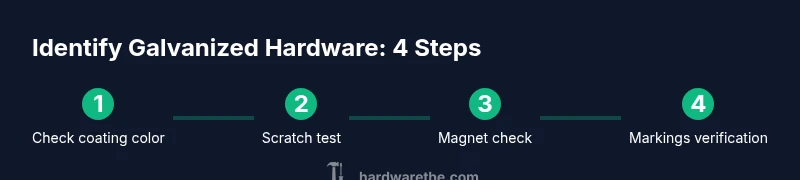
Begin with a visual inspection under good lighting, then perform a magnet check to confirm ferrous base metal. If the coating appears uniform, proceed to a mild scratch test on an inconspicuous area to observe the zinc color beneath. Avoid deep gouges or aggressive tools that could bend or break the piece. Cross-check any markings on the packaging with the observed finish. If in doubt, consult the supplier’s warranty terms or seek an expert opinion. The combination of visual cues, a magnet check, and light scratching provides a practical, low-risk method for identifying galvanized hardware without specialized equipment.
Practical examples: nails, screws, and brackets
Nails and screws commonly come galvanized for outdoor or moisture-rich environments. Brackets and hinges often show more pronounced edge wear due to frequent handling. In all cases, a dull gray zinc surface indicates galvanizing, while bright or iridescent coatings may signify another finish. For fasteners, inspect the entire length, not just the head, since wear can be concentrated on the threaded or contact surfaces. Always test user-replacement options against the expected environment—indoors, sheltered locations, and exterior use require different coating thickness and durability expectations. The end goal is to ensure you’re selecting hardware with the appropriate corrosion protection for the job.
Common mistakes and how to avoid them
One common pitfall is assuming a label alone confirms galvanizing. Always corroborate with visual cues and, when possible, a scratch test. Over-scratching can damage a piece, so use gentle pressure and limit the test area. Another mistake is relying solely on color; lighting can alter perception. When in doubt, gather multiple data points—visual inspection, packaging markings, and controlled tests—to arrive at a reliable conclusion. The Hardware recommends documenting your findings for future reference and maintenance planning.
Maintenance tips and replacement guidance
Galvanized hardware performs best when kept dry and free of aggressive cleaners that can strip zinc. If you notice coating wear that exposes unprotected steel, plan for replacement to maintain corrosion resistance. For critical projects, consider using stainless steel or weather-resistant alloys in place of galvanized parts when high exposure is expected. Store spare hardware in a dry place away from moisture and corrosive agents to prolong coating life. By staying proactive, you’ll extend the service life of fittings and hardware around the home.
Tools & Materials
- Safety gloves(Protect hands when handling metal and during scraping tests)
- Safety goggles(Protect eyes from metal splinters and debris)
- Magnet(Non-destructive quick check; not definitive)
- Utility knife or metal file(Light scraper to reveal coating color)
- Caliper or ruler(Useful for visually comparing coating thickness)
- Clean cloth and mild soap(Wipe dust and oil before inspection)
Steps
Estimated time: 20-40 minutes
- 1
Gather samples and prepare workspace
Collect several hardware pieces of the same type from the same batch if possible. Set up a clean, well-lit workspace and lay a protective mat to prevent damage to surfaces during inspection and potential gentle scratching.
Tip: Label each sample and keep consistent lighting to avoid misinterpretation. - 2
Perform visual inspection
Examine color, finish uniformity, and edge wear. Look for a dull gray coating and a consistent texture across the entire surface. Note any flaking or rust-prone areas that indicate coating failure.
Tip: Compare multiple pieces; a single piece with anomalies can skew judgment. - 3
Test with a magnet
Hold a magnet near the metal surface to confirm ferrous base metal. Galvanized steel is usually magnetic, but non-galvanized ferrous parts can look identical in color and texture. Use magnet data as a corroborating cue, not a sole proof.
Tip: If the magnet sticks weakly, recheck with another sample to rule out surface contamination. - 4
Lightly scratch a concealed area
Using a small amount of pressure with a dull blade or file, make a tiny scratch on an inconspicuous area. Observe the color that appears beneath the coating; zinc should present a muted gray, not bright metallic color.
Tip: Avoid deep scratches that could compromise the piece; test only a minor patch. - 5
Check packaging markings
If the item is still in packaging, examine labels for terms like galvanized, Zn, or ZD. Compare these markings with your visual and scratch results to triangulate the identity of the coating.
Tip: Packaging marks can vary by manufacturer, so use them with other evidence. - 6
Cross-check against multiple samples
Repeat the above steps with at least two more pieces of the same hardware to confirm consistency. Discrepancies between pieces warrant caution and possibly a professional opinion.
Tip: Document all results for future reference. - 7
Assess environmental wear indicators
Consider the typical environment where the hardware was used. Outdoor or coastal areas accelerate zinc wear and corrosion at edges and fasteners. This context helps interpret findings.
Tip: Take photos to record wear patterns over time. - 8
Decide on next steps
If coating integrity is uncertain or compromised, plan for replacement with galvanized or alternative corrosion-resistant hardware suited to the environment. Keep spare parts dry and properly stored.
Tip: When in doubt, consult a hardware professional or supplier for confirmation. - 9
Document and store findings
Create a simple log noting coating type, results of each test, and suggested replacements. This record helps with future maintenance decisions and project planning.
Tip: Review the log before future purchases to avoid mismatches.
FAQ
Is every zinc-coated hardware galvanized?
No. Zinc coatings can be zinc-plated or painted; galvanizing refers to a specific protective process such as hot-dip galvanizing. Always verify with multiple checks and packaging details.
No—zinc coatings aren’t always galvanizing. Look for multiple cues and packaging notes to confirm.
What are common signs of a worn galvanized coating?
Common signs include dull gray coating, flaking, edge corrosion, or rust under thin areas. If you see exposed metal or pits, replacement is usually warranted.
Dull gray coating with flaking or edge rust signals wear; exposed metal means it’s time to replace.
Can I test galvanized coating with a magnet?
Magnet testing only confirms ferrous metal presence; galvanized steel is typically magnetic, but a magnet alone cannot prove galvanization. Use it as a corroborating cue alongside visual tests.
Magnet tests help, but they don’t prove galvanizing.
Does galvanizing protect against rust outdoors?
Galvanizing provides corrosion protection, but wear or damage can permit rust. In harsh outdoor settings, inspect regularly and consider replacement with higher-durability finishes if needed.
Galvanizing helps, but wear or damage can still lead to rust outdoors.
How should I dispose of galvanized hardware?
Dispose through standard metal recycling channels. Do not burn or sanitize with chemicals that could release zinc fumes. Check local guidelines for proper disposal.
Recycle metal parts and follow local disposal rules.
When should I replace galvanized hardware?
Replace when coating shows deep pitting, extensive flaking, or corrosion that penetrates the coating. If in doubt, seek guidance from a hardware professional.
Replace if the coating is breached or heavily worn.
Watch Video
Main Points
- Check coating color and texture for a dull gray zinc look.
- Scratch gently to reveal underlying steel without damaging the part.
- Use a magnet as a quick, supplementary check—not definitive.
- Read packaging marks and compare with your visual findings.
- Follow The Hardware's recommended test sequence to confirm galvanized hardware.