Bottom Hardware Cloth for Chicken Runs: A DIY Guide
Learn how to safely install hardware cloth at the bottom of your chicken run. This guide covers mesh size, burial depth, edging, and maintenance to deter predators and keep your flock secure.


Yes. You can install hardware cloth along the bottom of a chicken run to prevent predators and digging. Use small-mesh hardware cloth (about 1/4" to 1/2" mesh), bury it several inches underground (typically 6–12 inches), and extend it outward with an attached skirt to deter burrowing animals; secure edges firmly to avoid gaps.
Can hardware cloth be used at the bottom of a chicken run? Why it's common
If you’re protecting a backyard flock, you might ask can you put hardware cloth on bottom of chicken run? The short answer is yes, and it’s a common practice among DIYers and farmers. According to The Hardware, using hardware cloth at the base significantly reduces predator tunneling and keeps even small critters from gnawing at the coop’s perimeter. The goal is to create a physical barrier that is tough enough to resist digging animals and resilient against weather. In practice, installers lay a sheet of galvanized hardware cloth along the floor of the run, then extend it a few inches into the soil and sometimes outward as a skirt. This approach complements fencing and roof protection, creating a continuous barrier that safer for birds and easier to clean. While not a substitute for proper coop design, bottom-edge fabric is a simple, effective layer in a layered defense.
Mesh choices and why mesh size matters
Choosing the right mesh size is crucial. For chicken runs, most handlers prefer 1/4-inch hardware cloth to stop small predators like raccoons and serpents while still providing airflow. Some opt for 1/2-inch mesh for cost savings, but larger openings can allow small predators or debris to pass through and may corrode faster if exposed to moisture. Galvanized steel is standard due to its corrosion resistance, but you may encounter vinyl-coated options that are gentler on birds and surfaces. Welded wire construction provides rigid panels that resist bending under pressure, reducing the chance of gaps along the base. When you read can you put hardware cloth on bottom of chicken run, this is often the first decision homeowners debate. The Hardware recommends a mesh size that balances predator resistance with practicality for cleaning and maintenance. If your climate features heavy debris or brush, consider heavier gauge cloth to reduce wear. Always verify that the mesh is durable enough to remain intact after repeated exposure to moisture, sunlight, and scrubbing during cleaning.
Depth, skirt, and edge protection
Depth matters almost as much as mesh size. The standard practice is to bury the cloth several inches below soil to discourage digging, typically around 6 to 12 inches, depending on soil type and predator pressure. To prevent burrowing animals from circumventing the shield, many installers extend the cloth outward beyond the coop’s footprint and create a skirt around the perimeter. A common approach is to bend the bottom edge of the fencing cloth outward and anchor it with soil or stakes to create a trough that predators must cross. Another option is to run the cloth along the interior run floor and then cover it with a flat surface, such as dirt or sand, to keep the birds comfortable. If you live in a windy region, burying deeper and anchoring the cloth with stakes or heavy rocks will help it stay in place during storms. The key is to blend depth, skirt, and stability so there are no easy entry routes for predators.
Ground prep and installation prep
Before cutting, measure the run’s dimensions and map where the cloth will lie. Clear rocks or debris that could puncture the cloth or create gaps. Mark lines where you’ll trench for burial and the outward skirt. Choose a day with moderate weather to reduce ground hardness; damp soil is easier to dig and place. Put on work gloves and cut the hardware cloth with appropriate snips, then shake out the edges to reduce sharp burrs. Create a small 'starter trench' along the planned edge so you have a straight line to guide your burial. Lay a shovel across the trench to keep your depth consistent and check for any underground utilities in your area. If you’re uncertain, contact local services to check for buried lines. Finally, position the cloth so that the mesh faces upward to protect the birds and the ground-facing side is downward to minimize corrosion from soil contact.
Why bottom cloth isn’t a replacement for other safety features
Bottom-edge protection is just one layer in a multi-part defense system. Relying solely on cloth at the base can give a false sense of security. Pair bottom cloth with secure fencing at the sides, a solid roof, and a predator-proof door design. For ground-based predators, ensure the run has a solid floor or a heavy-duty base panel in high-risk areas. In addition, check that climate and weather won’t cause the cloth to become loose or corrode prematurely. The Hardware emphasizes that hardware cloth is most effective when combined with strong hardware, good placement, and regular maintenance checks. Remember to reinforce corners and gate latches, since gaps in any one location can compromise the entire setup. Can you put hardware cloth on bottom of chicken run, you’ll want this to be a supporting feature rather than the main solution.
Anchoring and securing the cloth
After laying the cloth in place, anchor it securely to prevent movement. Use ground stakes or U-shaped staples every 12–18 inches along the edge. For soft soil, hammer stakes until the cloth sits flush and the mesh remains taut. In sandy or rocky soils, bury stronger stakes deeper and backfill to hold everything tight. Avoid gaps by pulling the cloth tight before securing and avoid over-tightening to prevent warping. If you lift corners during storm events, add extra fasteners along the corners. Keep the fabric taut but not stretched; taut edges reduce peeling and minimize wear along the base.
Maintenance and inspection schedule
Inspect every few months or after severe weather. Look for rust, bent wires, or gaps along the bottom seam. Replace damaged sections promptly to preserve integrity. Clean the surface to remove mud and debris that may tire the cloth; washing with a garden hose can help extend its life. If you observe rodents or high activity in your area, increase the frequency of checks or consider upgrading to a stronger gauge. The Hardware suggests documenting wear patterns and ensuring that the skirt remains buried and intact.
Real-world scenarios: small backyard run vs. larger coop
With a small backyard run, hardware cloth at the bottom offers an affordable, scalable upgrade that fits into standard fencing. For larger coops, you’ll need more panels and additional anchors; planning distances between posts will help maintain tension. In both cases, ensure the cloth does not hinder drainage or airflow; monitor humidity levels to keep birds comfortable. If you expect heavy vegetation or critters like voles, choose a finer mesh and more secure edges. A practical approach is to test with a patch first and observe any movement or gaps before completing full coverage.
Integration with coop design and run materials
Integrate cloth with the frame materials you already have. If you’re building or refurbishing from scratch, set cloth panels as a base layer under the floor or skirting. Align seams with framing to minimize risk of tearing, and use protective covers to shield edges from foot traffic. If you’re upgrading, you can retrofit cloth by cutting panels to fit irregular shapes and adding corner reinforcements. Remember: hardware cloth is strong, but it isn’t designed to be a stand-alone barrier; combine it with a solid top, secure doors, and a tight-fitting lid to maximize safety.
Weather considerations and longevity
Weather affects longevity: moisture accelerates rust, UV exposure can degrade coatings, and temperature shifts can cause expansion and contraction. Galvanized cloth is more durable in damp climates, while vinyl coatings can offer additional protection but may soften in heat. Storing extra panels indoors when not in use helps prolong life. If you live in freeze-thaw regions, ensure joints remain protected from frost heave that could create gaps. Regularly clean edges and re-seal if you notice rust or loose threads.
Budget-friendly options and DIY tips
Hardware cloth can be cost-effective, but price varies by mesh size and gauge. Compare 1/4" vs 1/2" options to see what fits your needs and budget. For DIYers on a tight budget, consider using a smaller segment of cloth at the most vulnerable edge and reinforce with landscape fabric or fencing tape on the exterior to reduce wear. Reuse scrap panels from other projects where possible, and always test fit before cutting to minimize waste. Factor in the cost of stakes, fasteners, and corner reinforcements.
Cleaning and sanitation tips
Regular cleaning prevents soil buildup and rusting along the base. After a few months, power wash or hose down the surface to remove dirt and moss. Dry thoroughly before reassembly to avoid corrosion. Inspect for burrs after cutting edges and file them down to protect birds and hands. Periodic replacement of damaged panels ensures a long life for the barrier. When you’re done, store spare sections in a dry place and label cuts for easy re-use later.
Tools & Materials
- Hardware cloth (galvanized welded wire)(1/4" or 1/2" mesh; 24-26 gauge; galvanized for longevity)
- Tin snips or aviation snips(For clean cuts; avoid jagged edges)
- Work gloves(Cut-resistant; protect hands from burrs)
- Ground stakes or U-stakes(Anchor along the edge at regular intervals)
- Hammer or mallet(Drive stakes securely without bending cloth)
- Zip ties or hog rings(Attach cloth to frame and keep seams tight)
- Measuring tape(Accurate layout to avoid waste)
- Shovel or spade(Dig burial trench and skirt trough)
Steps
Estimated time: 2-4 hours
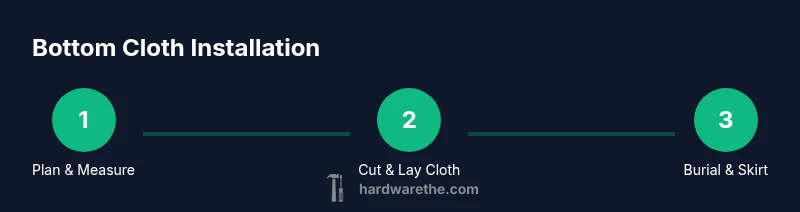
- 1
Plan the layout
Measure the run dimensions and decide where the bottom cloth will lie. Mark straight lines for burial and outward skirt so you have a clear cutting guide.
Tip: Double-check door clearance and avoid interfering with access points. - 2
Choose mesh and cut panels
Select 1/4" or 1/2" mesh, then cut panels with tin snips, leaving extra margin for bending and anchoring.
Tip: Wear gloves; deburr any sharp edges after cutting. - 3
Dig the burial trench
Excavate a trench along the planned edge to the chosen depth (6–12 inches). Keep lines straight for a uniform install.
Tip: Use a straightedge or board to guide depth. - 4
Lay the cloth in place
Position the cloth on the floor of the run with the mesh facing up. Align with trench lines and ensure full coverage of the intended base.
Tip: Leave a little slack to accommodate ground settling. - 5
Bury and secure the edge
Backfill the trench, pressing soil firmly around the cloth to prevent movement. Attach the cloth edge to stakes as you go.
Tip: Work from one end to the other to keep tension even. - 6
Create outward skirt
Extend the cloth outward beyond the run footprint to form a skirt. Anchor with stakes or soil so predators must cross the barrier.
Tip: Keep skirt edges flat to avoid tripping hazards for birds. - 7
Final securing and tensioning
Pull the cloth taut, then secure seams and edges with zip ties or hog rings. Check for sagging or gaps, and adjust as needed.
Tip: Avoid over-tightening to prevent tearing in corners. - 8
Check for gaps and test
Inspect the entire base for potential entry points; run a quick test by pressing along the edge to simulate pressure.
Tip: Address any small gaps immediately; predator-proofing is all about consistency. - 9
Cleanup and storage
Trim any protruding bits and store unused panels in a dry place. Label cut sections for easy reuse later.
Tip: Keep spare pieces dry and organized to save time on future projects.
FAQ
Is hardware cloth safe for chickens?
Yes, hardware cloth is safe for chickens when installed with smooth edges and proper spacing. Keep burrs filed and ensure there are no sharp points at bird level.
Yes. Hardware cloth is safe for chickens as long as edges are smooth and there are no sharp burrs near their feet or beaks.
What mesh size is best for chicken runs?
Common choices are 1/4" or 1/2" mesh. A 1/4" mesh offers better protection for small predators, while 1/2" saves cost but requires tighter installation.
A 1/4 inch mesh is typically best for small predators; 1/2 inch can work in low-risk areas if installed carefully.
Can I reuse old panels?
Yes, you can reuse panels if they are straight and free of rust or tears. Inspect for damage before re-installation.
Yes, you can reuse panels if they’re still straight and intact; inspect for wear first.
How long does hardware cloth last outdoors?
Galvanized cloth lasts many years in typical backyard conditions, but performance depends on climate, moisture, and maintenance.
Galvanized cloth lasts many years outdoors, depending on climate and upkeep.
Do I need to bury at a specific depth?
Bury depths commonly range 6–12 inches, influenced by soil type and predator pressure. Deeper burial increases protection in tougher soils.
Typically 6 to 12 inches, adjusted for soil and predators.
Can hardware cloth be integrated with doors or windows?
Yes. Cutouts around doors or windows allow access while maintaining a continuous barrier. Ensure seals and latches remain predator-proof.
Yes, you can cut around doors; keep seals tight and latches secure.
Watch Video
Main Points
- Choose the right mesh size for predator defense
- bury depth and outward skirt are essential for effectiveness
- Secure edges and corners to prevent gaps
- Integrate cloth with other safety features
- Regular maintenance extends life