How to Remove Paint from Brass Hardware: A Practical Guide
Learn safe, proven methods to remove paint from brass hardware without damaging the brass or its patina. This guide covers prep, solvents, tools, and finishing tips for durable results.


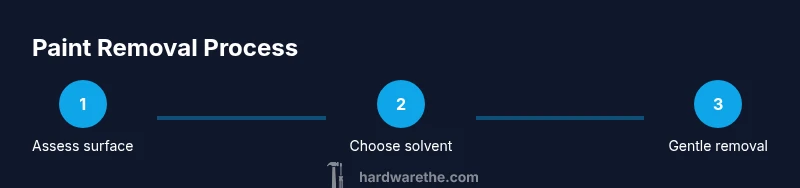
Goal: Remove paint from brass hardware without damaging the brass or engravings. This quick answer shows you the essential approach: choose safe solvents, test a small area, work gently with non-metallic tools, and finish with a protective polish. You’ll learn prep steps, options for stubborn paint, and cleanup tips to restore luster.
What makes brass hardware special and why paint removal matters
Brass hardware combines durability with a warm, vintage look that many DIY projects aim to preserve. Paint on brass can obscure fine details, hide patina, and trap moisture that leads to corrosion over time if not removed carefully. Brass is softer than many other metals, so aggressive scrubbing or harsh solvents can scratch or dull the surface and damage delicate engravings. How to remove paint from brass hardware is a common question for homeowners tackling restoration projects, and the right approach matters. According to The Hardware, thoughtful paint removal begins with understanding the metal’s response to cleaners and finishes, then selecting gentler options that respect both the brass itself and the surrounding material. The Hardware Team notes that successful removal keeps the brass patina intact where possible and avoids over-cleaning, which can strip protective coatings. In short, the goal is to restore legibility and luster without compromising long-term durability, while preserving the character that makes your piece unique.
Safety and prep: protecting finish and surfaces
Safety comes first when removing paint from brass hardware. Work in a well-ventilated area, wear nitrile gloves, and protect surrounding wood or painted surfaces with painter’s tape or plastic sheeting. Before tackling the piece, remove the hardware from doors or drawers when possible and set it on a soft, non-slip surface. Clean the hardware with a mild soap solution to remove surface dust, then dry thoroughly. Testing a small, inconspicuous area of the brass with your chosen solvent ensures you won’t damage the finish. Prep work also helps you gauge how quickly the paint will loosen and whether you’ll need more than one method. The goal is a safe workspace where you can observe how the brass reacts to cleaner solutions without risking wood or lacquer nearby.
Understanding paint types on brass and what they imply
Paint on hardware can be latex, acrylic, enamel, or oil-based. The method you choose depends on the paint type and the condition of the brass finish. Latex and acrylic paints are usually more forgiving and respond well to warm water and mild solvents, while enamel and oil-based coatings may require a slightly stronger solvent. For lacquer-coated brass, you may need to remove the lacquer first before tackling the paint. The Hardware's guidance highlights the importance of not guessing the paint type—when in doubt, test a small area and observe how it reacts over 5–10 minutes. This helps you avoid over-cleaning and preserves engravings and decorative details.
Choosing cleaning agents: solvents, buffers, and pH considerations
Not all paints respond the same way, and the best solvent for brass hardware is one that dissolves paint without attacking the brass or any lacquer. Options include mild dish soap with warm water for water-based paint, isopropyl alcohol for water- or latex-based paints, and, for tougher coatings, acetone or mineral spirits used sparingly. Always test first. Avoid bleach and highly corrosive solvents that can discolor brass or degrade protective coatings. For shells where lacquer is present, solvents that dissolve lacquer gently are preferred. The Hardware cautions against using high-heat or aggressive chemical processes that could warp thin brass pieces or remove protective coatings.
Tools and techniques: non-abrasive methods that preserve patina
Using non-scratching tools preserves the brass’s natural patina and engravings. Gather soft microfiber cloths, cotton swabs, a soft-bristle brush, and a non-metallic scraper for paint behind details. Keep a basin of lukewarm water and a mild dish soap for routine cleaning, plus a separate, dry cloth for drying. Masking tape protects adjacent wood surfaces, while a jeweler’s cloth helps restore subtle shine after the paint is removed. When working on difficult corners, a wooden toothpick can dislodge paint without scratching. Always work gently and in small regions to monitor progress and avoid over-cleaning.
Paint removal methods by paint type: latex, acrylic, enamel, and oil-based
Latex and acrylic paints usually respond to mild cleaning methods, while enamel and oil-based coatings may require longer dwell times with gentle solvents. For stubborn spots, target edges and crevices with a swab rather than a broad swipe across the surface. If brass has a lacquer coating, remove the lacquer first with a solvent designed for lacquer, then proceed with paint removal. The Hardware warns against rushing, as hasty scrubbing can create micro-scratches or remove protective coatings that preserve long-term brass integrity.
Finishing and protecting brass after paint removal
After the paint is removed, rinse with clean water and dry thoroughly. A light polish with a soft cloth can restore some luster, but avoid over-polishing which might wear away a protective lacquer or reveal scratches. If any oxidation appears, apply a brass-safe polish or wax following the product directions. Reattach hardware to its original position and consider a light clear sealant to slow future paint adhesion. The Hardware notes that a small protective layer can extend the life of the brass by reducing moisture contact and tarnish.
Tools & Materials
- Soft microfiber cloths(Lint-free for wiping and drying)
- Cotton swabs(For crevices and edges)
- Soft-bristle brush(Avoid stiff brushes that scratch)
- Non-metallic scraper(Plastic or wood; use gently)
- Bowl of lukewarm water(For rinsing)
- Mild dish soap(Dissolves grime safely)
- Isopropyl alcohol (70% or diluted)(Use if water-based paints persist)
- Acetone or mineral spirits(For stubborn enamel/oil-based coatings; use sparingly)
- Painter’s tape(Protect nearby wood when solvent use is needed)
- Gloves (nitrile)(Protect skin from solvents)
- Safety glasses(Eye protection during solvent use)
- Brass polish or wax(Optional for finishing)
Steps
Estimated time: 60-90 minutes
- 1
Detach hardware
Remove knobs, handles, or pulls from doors or drawers when possible. This makes it easier to access all painted surfaces and prevents wood from accidentally absorbing solvents. Photograph or label parts for correct reinstallation.
Tip: Keep small screws in a labeled container to avoid loss. - 2
Inspect and protect
Set hardware on a soft pad and protect surrounding wood with painter’s tape. Wipe the piece with a mild soapy solution to remove surface dust, then dry completely. Resist rushing this prep stage.
Tip: Pre-clean helps you see where paint remains most stubborn. - 3
Test solvent on a hidden area
Apply a small amount of your chosen solvent to a hidden edge with a cotton swab and wait 5 minutes to observe any adverse reaction. If the finish remains stable, proceed to targeted application.
Tip: Testing saves you from unexpectedly dulling or staining brass. - 4
Apply solvent to paint
Dampen a swab with solvent and apply to a painted area. Do not soak the piece; apply in short increments and allow the solvent to dwell for 3–5 minutes if needed.
Tip: Work in small sections to monitor progress. - 5
Gently scrub edges and crevices
Use a soft-bristle brush or cotton swab to lift paint at edges and ornate details. Avoid aggressive scrubbing that can scratch engraving or knurling.
Tip: Target only painted regions; keep brass exposed elsewhere. - 6
Wipe away residue
Wipe with a clean microfiber cloth and rinse the area with a small amount of water if you used water-based cleaners. Dry thoroughly to prevent water spots.
Tip: Drying immediately helps prevent water staining. - 7
Repeat for stubborn spots
If paint persists, repeat the solvent application on those spots, using the gentlest method that works. Do not over-wet; patience reduces risk of damage.
Tip: Limit dwell time to avoid brassing or lacquer damage. - 8
Rinse, dry, and evaluate
Rinse with clean water, dry completely, and inspect for remaining paint or tarnish. Decide whether additional passes are needed or if finishing is appropriate.
Tip: Keep notes on progress to plan any follow-up steps. - 9
Polish and reassemble
Lightly polish the brass with a soft cloth, then reattach hardware. If desired, apply a protective wax or sealant in a small, inconspicuous area first.
Tip: Test the finishing product on a hidden area before full application.
FAQ
Can I remove paint from brass hardware without removing the piece from the cabinet?
Yes, in many cases you can target exposed surfaces while the hardware stays in place. It may be easier to work with the piece detached, but protecting nearby wood and applying solvents carefully can still yield good results. If a piece is heavily painted or recessed, removing it from the cabinet simplifies access and reduces the risk to surrounding surfaces.
Yes, you can often work with the piece in place by protecting nearby surfaces and applying solvents carefully. If access is limited, remove it to avoid damage.
What solvents are safest for brass hardware?
Start with mild options like warm water and dish soap, then use isopropyl alcohol for tougher paint. For enamel or oil-based coatings, acetone or mineral spirits used sparingly may be needed. Avoid corrosive cleaners or bleach that can discolor brass.
Begin with soap and water, then move to gentler solvents like alcohol if needed. Avoid harsh chemicals.
Will removing paint damage the brass patina?
Gentle methods are designed to preserve patina and engravings. The risk increases with aggressive scrubbing or harsh solvents. Always test first and use the mildest effective method to minimize patina loss.
If you’re careful and test first, you can preserve the patina while removing paint.
How long should a solvent dwell on brass paint?
Dwell time varies by solvent and paint type; start with a few minutes and reassess. Do not leave solvents on brass for extended periods without checking progress to avoid damage.
Only leave solvents on paint for a few minutes at a time and check progress often.
Is it better to remove lacquer before paint?
If lacquer is present, removing it first is often advisable because it can block solvent access to the paint beneath. Use a lacquer-safe solvent and follow product directions. After lacquer removal, proceed with paint removal using gentler methods.
Yes—remove lacquer if present to improve access before painting removal.
Can I use a power tool to speed up paint removal?
Power tools can cause irreversible damage to brass surfaces, especially on engravings or thin edges. Avoid dry sanding or aggressive grinding. Stick to hand tools and gentle polishes for safety and control.
Avoid power tools on brass; they can scratch or warp delicate areas.
Watch Video
Main Points
- Detach hardware for easy access.
- Test solvents before use.
- Use non-abrasive tools to protect patina.
- Finish with light polishing and protection.