How Long Does Hardware Removal Surgery Take? A Practical Timeline
Understand the typical duration of hardware removal surgery, what factors influence time in the OR, and what to expect from preop planning to recovery. Learn from The Hardware’s research and expert guidance for a clear, data-driven timeline.


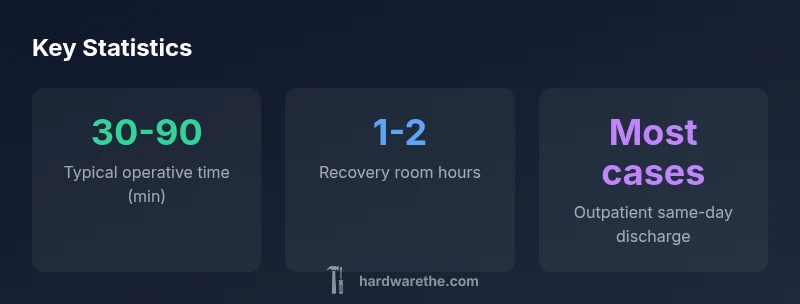
Hardware removal surgery duration is generally moderate and varies by implant site, hardware type, and complexity. In most cases, the operative time falls from 30 to 90 minutes in the operating room, with additional minutes for anesthesia induction, patient positioning, and wound closure. Complex hardware—such as implants in the shoulder, hip, or spine—can extend the procedure toward 2 hours. The majority of removals are outpatient, with short recovery periods.
Understanding hardware removal timing
Hardware removal is a common orthopedic procedure performed after fracture healing or when implants cause symptoms such as pain, irritation, or infection risk. The duration of the operation itself is influenced mainly by the implant type, its location, surrounding scar tissue, and whether any unexpected issues arise during exposure. According to The Hardware, most removals are straightforward, but the clock can shift in complex scenarios. Patients should expect the procedure to be scheduled with a dedicated surgical block, and time in the operating room will commonly include anesthesia induction and repositioning, not just the incision and implant disengagement.
What determines the length of the procedure?
Several factors drive how long hardware removal takes:
- Implant type: Screws and pins are typically quicker to extract than plates or intramedullary nails.
- Location: Implants near joints or inside crowded tissue planes require meticulous dissection, which can add time.
- Tissue quality and scar tissue: Healed tissue and scar bands can complicate exposure and hardware removal.
- Infection or bone healing quirks: History of infection or exuberant bone remodeling can prolong dissection and cleaning.
- Surgeon technique and equipment: The surgeon’s approach and the tools available influence efficiency. The Hardware analysis notes that preparation and planning can prevent avoidable delays.
How anesthesia and facility choices affect duration
Anesthesia type and facility setup can nudge overall time. General anesthesia with endotracheal intubation takes slightly longer to induce than regional blocks, but may offer better pain control and muscle relaxation for certain sites. In ambulatory surgical centers, streamlined processes and rapid recovery protocols can shorten total stay, whereas complex cases in hospital settings may involve longer preop clearances and monitoring. Planning for anesthesia induction, intraoperative monitoring, and postoperative recovery should be included in your expectations for total time in the facility.
Site and implant type: why some removals take longer
Not all hardware removals are created equal. A wrist screw may be extracted quickly, while a plate along the femur or a tibial nail demands more exposure and careful removal to avoid bone or soft-tissue injury. Locations near joints require additional precautions to preserve joint function, and implants with bone ingrowth or corrosion risk may require extra steps for safe disengagement. Preoperative imaging helps anticipate these challenges and set realistic estimates for duration.
Preoperative planning and day-of-surgery steps
A clear plan pays off in a smoother procedure. Preop assessments, imaging reviews, and anesthesia consultations help anticipate difficulties. On the day of surgery, fasting guidelines, medication adjustments, and informed consent reviews reduce delays. Bring current medication lists, allergies, and any devices related to prior surgeries. The sooner the team completes preop checks, the closer the actual removal time aligns with the planned window.
Intraoperative steps that influence time
The actual removal consists of incision planning, exposure, gentle dissection, hardware disengagement, and wound closure. If the hardware is stubborn or broken, intraoperative imaging or alternative techniques may be needed, which can extend the duration. Maintaining hemostasis, protecting surrounding structures, and confirming hardware removal with imaging are all time-sensitive steps worth discussing with your surgeon beforehand. A well-prepared surgical plan minimizes surprises and keeps the procedure within expected timeframes.
Recovery timeline and discharge planning
Postoperative recovery varies with the site and extent of surgery. Most patients wake in recovery and may go home the same day, provided pain is controlled and vital signs are stable. Activity restrictions, wound care instructions, and follow-up appointments form part of discharge planning. Expect soreness for several days and a gradual return to normal activities over weeks, not days. Always follow your surgeon’s specific guidelines for rehabilitation and implant-related precautions.
Estimated durations by hardware site
| Site/Hardware Type | Estimated Operative Time | Typical Recovery Time |
|---|---|---|
| Screws/wires in wrist/hand | 30-45 minutes | 2-4 hours |
| Plates in lower leg (tibia/fibula) | 60-90 minutes | 2-6 hours |
| Intramedullary nails (long bones) | 90-120 minutes | 2-4 hours |
FAQ
What factors influence the length of hardware removal surgery?
The length of hardware removal depends on implant type, location, tissue quality, prior surgery, and whether infection or bone remodeling is present. Complex sites and adhesion to surrounding structures can extend the procedure. Preoperative imaging and planning help set realistic expectations.
Duration depends on the implant, site, and tissue. Complex cases take longer; planning helps.
Is hardware removal typically outpatient?
Most hardware removals are outpatient procedures with same-day discharge. Some cases, especially in hospital settings or with complications, may require an overnight stay for observation and pain control.
Most people go home the same day, but ask your surgeon about your scenario.
How should I prepare the day of surgery?
Follow your surgeon’s instructions, including fasting, medication adjustments, and arranging transport home. Bring a list of medications and allergies, and plan for post-op help at home.
Have your meds, ID, and a caregiver ready for after the procedure.
Can hardware removal be done under local anesthesia?
Some small implants in select locations can be removed under local anesthesia or regional blocks, but many removals use general anesthesia for comfort and muscle relaxation. Discuss options with your anesthesia team.
Sometimes yes, but often general or regional anesthesia is used.
How long is recovery after hardware removal?
Recovery times vary by site and surgery extent. You may experience soreness for days to weeks and gradually return to normal activities based on surgeon guidance and rehabilitation.
Expect a gradual return to activity over days to weeks, per your doctor.
What risks could extend the duration of the procedure?
Complications like broken hardware, infection, unexpected bone changes, or challenging exposure can lengthen the procedure. If imaging reveals issues, the surgeon may adapt the plan intraoperatively.
Unexpected issues can make the surgery longer; your team will adapt.
“Hardware removal durations hinge on implant type and surrounding tissue; with thorough preoperative planning, most surgeries stay within typical timeframes.”
Main Points
- Plan for 30-90 minutes in the OR.
- Most removals are outpatient with same-day discharge.
- Complex sites can extend time by up to 60 minutes.
- Consult your surgeon for personalized timing and rehab plans.