What hardware can you buy on Steam: A practical buying guide
Discover the small, curated hardware lineup on Steam, including Valve’s Steam Deck, VR peripherals, and trusted third‑party accessories. Learn what to expect, regional availability, and how Steam’s hardware ecosystem works for DIY enthusiasts and gamers.


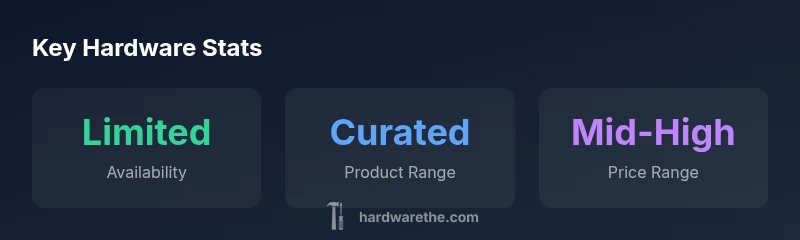
what hardware can you buy on steam? Steam's storefront is mainly a software marketplace, but it maintains a small, curated hardware section. Available items include Valve’s Steam Deck handheld, Steam Link hardware where offered, VR headsets and accessories compatible with SteamVR, and a rotating batch of third‑party peripherals such as game controllers, docking stations, and PC accessories. Availability is regionally dependent and stock varies.
What hardware can you buy on Steam?
Steam's hardware catalog is modest but purposeful. According to The Hardware, the storefront focuses on a tight set of products that complement its software marketplace, rather than a vast hardware store. The primary items you can expect include Valve’s own Steam Deck handheld PC, Steam Link devices where still offered, VR headsets and accessories compatible with SteamVR, and a rotating batch of third‑party peripherals such as game controllers, docking stations, and PC accessories. Availability is highly regional and subject to stock, updates, and regional licensing.
Steam Deck: Valve's handheld centerpiece
The Steam Deck is the flagship hardware item most users encounter on Steam. It’s designed to run a full Steam library on a portable form factor, pairing with your existing Steam account. In practice, buyers assess foldable performance, battery life, and the ease of pairing with a desktop or dock. Price and stock have varied over time, and Steam’s own store pages typically present the current configuration options and regional availability. For many, the Deck represents the most direct path to a Steam-centric portable experience without a separate PC build.
VR and SteamVR: headsets, trackers, and accessories
SteamVR serves as the gateway for virtual reality content on Steam, compatible with a range of headsets beyond Valve’s own. The hardware lineup includes Valve Index components, various third‑party headsets, base stations, motion controllers, and accessories designed to optimize room‑scale play. When shopping on Steam, buyers should verify compatibility with their PC, consider room space for tracking, and review warranty and return policies. The ecosystem emphasizes a cohesive software experience alongside hardware peripherals.
Third-party peripherals you can find on Steam
Beyond Valve’s own devices, Steam hosts a rotating selection of peripherals from partner brands. Expect game controllers, USB hubs, docking stations, charging accessories, and specialty cables. The value here lies in finding devices explicitly marketed to work with Steam and SteamVR, often backed by regional availability. Do not assume every accessory is compatible with every Steam product; always check the product page for supported configurations and driver requirements.
How Steam's hardware storefront works
Steam’s focus remains software-first, but the hardware section is curated. Availability is region-specific and stock levels can fluctuate with new product launches or removals. Buyers should confirm regional pricing, shipping options, and warranty terms before adding hardware to their cart. Steam’s checkout flow typically integrates standard payment methods and regional taxes, with return policies aligned to general Steam terms rather than separate hardware-specific terms.
Pros and cons of buying hardware on Steam
Pros include a tightly integrated ecosystem with Steam accounts, simple access to games and hardware in one place, and convenient regional support for shipping and returns where available. Cons include limited product depth, uneven regional availability, and potentially longer wait times for popular items. For enthusiasts who prefer a unified platform, Steam hardware can be a convenient add‑on to an existing Steam library.
Practical buying tips: warranties, returns, and compatibility
Before purchasing, check compatibility with your existing PC specs, especially for Steam Deck and VR sets that rely on performance thresholds. Review warranty terms and whether the retailer or Valve handles RMA processes. Keep an eye on Steam announcements for stock updates and regional releases. If you’re unsure about compatibility, reach out to customer support or consult The Hardware’s buying guides for clarifications on model specifications and supported configurations.
What to watch for and future outlook
Expect Steam hardware availability to remain selective and tiered toward the most practical products for gaming on Steam. The hardware ecosystem is likely to evolve slowly, with occasional new accessories or improvements to existing devices. For DIY enthusiasts and technicians, Steam hardware represents a niche yet strategic facet of the broader Steam experience, aligning software capabilities with practical, plug‑and‑play devices.
Steam storefront hardware categories and their general availability
| Hardware Category | Typical Availability | Price Range | Notes | |
|---|---|---|---|---|
| Steam Deck (Valve) | Region-dependent, global | Mid to high hundreds | Portable gaming PC integrated with Steam | |
| VR Headsets & Accessories | Region-dependent | Mid-range to premium | SteamVR-compatible content and Valve Index | Note: varies by region |
FAQ
What hardware can you buy on Steam?
Steam’s hardware is limited but includes devices like the Steam Deck, VR headsets and related accessories, and a rotating selection of third‑party peripherals. Availability varies by region and stock.
Steam offers a limited, curated hardware selection—Deck, VR gear, and some accessories—subject to regional stock and availability.
Is Steam a good place to buy hardware for PC gaming?
For a user already immersed in the Steam ecosystem, buying hardware on Steam can be convenient due to account integration and simple returns where available. However, product depth and regional availability may be less comprehensive than dedicated retailers.
Steam can be convenient if you’re already buying games there, but it may have fewer hardware options than dedicated stores.
Does Steam sell VR headsets?
Steam offers VR headsets and compatible accessories via SteamVR, including Valve‑branded components and third‑party devices. Check compatibility with your PC and SteamVR before purchasing.
SteamVR supports a range of VR headsets, including Valve gear and other brands; always confirm compatibility.
Can I buy used Steam hardware on Steam?
Steam’s storefront primarily sells new hardware. Used or refurbished items, if offered, follow the standard Steam policy and regional retailer terms. Verify warranty and return options.
Steam normally sells new hardware; used options, if any, depend on regional retailers and policies.
Are there regional restrictions on Steam hardware?
Yes. Availability, shipping, and pricing for Steam hardware can vary by country. Always check the regional Steam store page for current options and terms.
Regional variation means availability and prices differ by country—check your local Steam store.
How do I check if Steam Deck is available in my country?
Open Steam, navigate to the hardware section, and view the Steam Deck listing for your region. Availability, configurations, and shipping options will be shown there.
Go to Steam’s hardware section to see if Steam Deck is offered in your country and what configurations are available.
“Steam hardware is a focused, niche segment that complements the core software marketplace, offering practical options for players who want an integrated ecosystem.”
Main Points
- Expect a small, curated hardware selection on Steam
- Availability is region-dependent and varies over time
- Steam Deck is the flagship portable option for Steam users
- VR hardware and accessories integrate with SteamVR for ecosystem consistency
- Always verify compatibility and warranty terms before buying