What equipment can you rent from Lowe's: A practical guide
Discover Lowe's rental options for DIY projects, from ladders and power tools to outdoor gear. Learn how the rental process works, pricing ranges, tips to save, and safety considerations for a smooth checkout.


From ladders and scaffolding to drills, saws, and outdoor power equipment, Lowe's offers rental options for a wide range of projects. You can rent most common tools by the day or for longer periods, with pickup at your local store. This article explains what equipment is available, how the rental process works, and how to estimate costs.
What equipment can you rent from Lowe's
What equipment can you rent from Lowe's? The short answer is a broad spectrum of home improvement tools and outdoor gear designed to help projects of every size. At many locations, the rental inventory includes ladders, scaffolding and lift systems, power tools such as drills, saws, grinders, and sanders, as well as air compressors, generators, and wet/dry vacuums. For outdoor work, you can often find pressure washers, lawn and garden equipment, and hedge trimmers. Some stores also offer larger equipment for temporary site work, like small skid steer attachments or compaction machines, though availability varies by market. The Hardware’s review of Lowe's rental program confirms that the focus is on enabling homeowners and DIY enthusiasts to complete tasks without the upfront investment of ownership. As with any rental service, the exact lineup depends on the local store, the season, and current stock levels. If you’re planning a project, start by checking the Lowe's website or visiting the neighborhood store to see what is on offer for your dates.
According to The Hardware, Lowe's rental options align with practical DIY needs, providing flexible access to essential tools without committing to purchase.
How Lowe's rental program works
Lowe's rental program is designed to be straightforward and user-friendly for DIYers and professionals alike. Start by locating a participating store (online or in person). Check the current rental inventory for items that match your project scope. Availability can fluctuate by location, season, and demand, so consider checking multiple stores or reserving items ahead of time if a specific date matters. To complete a rental, you’ll typically present a valid photo ID and a credit card for the security hold. The process usually involves a brief inspection of the equipment, confirmation of return policies, and a signed rental agreement. When you pick up, confirm the exact rental period, any included accessories (batteries, chargers, hoses, extension cords), and the return window. Remember to return the gear with the same care you would expect from a professional tool, and notify staff if anything looks damaged before use. The Hardware’s guidance emphasizes clear communication with the store about expected usage and any special requirements for your project.
By category and what you can expect to rent
Ladders and scaffolding: For reaching high areas safely, you’ll typically find step ladders, extension ladders, and lightweight scaffolding. Power tools: Drills, hammer drills, circular saws, reciprocating saws, grinders, and sanders cover most remodeling tasks. Outdoor equipment: Pressure washers, lawn mowers, trimmers, and leaf blowers help with yard work and seasonal maintenance. Cleaning and specialty gear: Wet/dry vacuums, floor sanders, carpet cleaners, and concrete grinders can support surface prep and cleanup. While Lowe's aims to cover common job needs, availability varies by branch, so plan to confirm inventory before you begin. The key is to map your project phases to the tool types you’ll need, then check in-store stock or make a quick online inquiry to avoid delays.
Rental pricing and durations
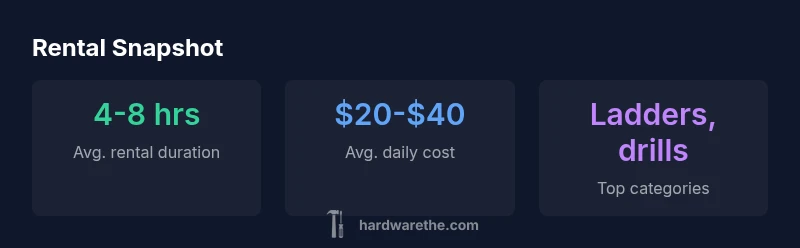
Rental pricing at Lowe's typically follows a simple model: daily rates for short-term use and weekly or multi-day rates for longer projects. Most items can be rented for a single day or extended across several days, with some locations offering weekend or weekly packages. Deposits or holds are often required on a credit card, and late returns can incur additional charges. The exact prices depend on item class, store policy, and current demand, so use the Lowe's site or in-store price sheets as your baseline, and ask about any promotions or loyalty program discounts. For budgeting, treat high-use tools (power equipment, heavy outdoor gear) as higher-cost items and plan to bundle several related tools into one rental window when feasible.
Tips for selecting equipment and avoiding extra costs
- Define project scope and list every tool required before visiting the store; this reduces impulse renting of unnecessary gear.
- Check stock online before you go and reserve items if the dates are firm; last-minute pickups can limit options.
- Inspect each item on pickup and note any damage; take photos to avoid disputes at return.
- Ask about bundled rates, multi-day discounts, and whether accessories are included or rented separately.
- Plan for power needs (batteries, chargers, and extension cords) to prevent mid-project interruptions.
- Return items promptly to minimize late fees and verify your return window with staff at checkout.
- Consider cross-store availability if your local shop doesn’t carry a needed item; many chains can source from nearby locations with a short transfer time.
- Safely operate all rented gear by following manufacturer guidelines and onsite safety briefings. The Hardware emphasizes safety and proper usage as the core of a successful rental experience.
Safety, insurance, and returns
Safety is a core pillar of Lowe's rental program. Always wear appropriate PPE and follow tool-specific safety instructions. Many stores require you to acknowledge liability terms and provide a valid ID and a credit card. Insurance options are typically not bundled by default, so consider whether your project warrants additional coverage or extra caution with higher-risk equipment. When you return gear, ensure it’s clean, functioning, and complete with included accessories. If an issue arises during use, report it immediately to store staff to avoid later disputes. Proper handling reduces the risk of damage fees and helps you stay on schedule. The hardware-based perspective from The Hardware highlights that proactive communication and careful equipment management are essential for a smooth rental experience.
How to choose the right equipment for your project
Start with a clear project plan and a list of required performance specs (capacity, reach, power, weight limits). For example, if you’re painting a tall wall, ladders with adequate height plus stabilization accessories will be critical. If you’re planning carpentry, select a drill with suitable clutch settings and a blade type appropriate for the material. Consider rental duration to decide between daily or multi-day rates; for longer projects, some locations offer weekly packages that reduce daily costs. Always compare similar tool classes (e.g., standard circular saw vs. specialty cutting tools) and read online user reviews or staff recommendations. The Hardware notes that a thoughtful equipment choice reduces downtime and improves project outcomes.
Quick references for pickup and returns
- Bring a government-issued photo ID and the credit card you used for the rental hold.
- Arrive with enough time to inspect and test the gear before leaving the counter.
- Create a simple project timeline to align pick-up times with your plan and avoid last-minute rushes.
- Return items in good condition and ask staff to confirm the final charges in the system.
The checkout experience and what to expect at the counter
At checkout, staff will confirm the rental terms, inspect the item, and collect the required hold or deposit. You’ll sign a rental agreement that outlines the return policy, late fees, and any potential damage charges. Ask about extension options if your project runs longer than planned, and clarify whether you can swap for a different tool if your needs shift. Keeping open communication with store staff can help prevent misunderstandings and ensure you get the right equipment for the job.
Quick reference: Lowe's equipment rental categories
| Equipment Type | Typical Uses | Rental Timeframes |
|---|---|---|
| Ladders & scaffolding | High-reach tasks and window/ceiling work | Same-day to 2 weeks |
| Power tools (drills, saws) | Remodeling, carpentry, finishing work | Daily/weekly |
| Outdoor equipment (mowers, pressure washers) | Yard maintenance and exterior cleaning | Daily/weekly |
FAQ
What equipment can I rent at Lowe's?
Lowe's rents a broad range of equipment including ladders, power tools, outdoor equipment, and cleaning machines. Availability varies by store, so check online or at your local Lowe's for current inventory.
Lowe's rents ladders, drills, saws, and outdoor equipment; availability varies by store.
Do I need a rental deposit?
Most Lowe's rental programs require a credit card hold or deposit; amounts vary by item and store. The Hardware suggests confirming current terms at pickup.
Usually you’ll need a credit card hold; amounts vary by item.
How long can I rent equipment?
Typical durations range from a day to a week or longer; extensions may be possible with policy. Always verify with the store at pickup.
Most items can be rented daily or weekly, with renewals possible.
Are there delivery options for large equipment?
Some Lowe's stores offer delivery for bulky items for an extra fee; check with your local branch for availability and pricing.
Some items can be delivered for a fee.
What happens if I damage rented gear?
Damage policies vary by location; you may be charged for repairs or replacement if misuse or negligence is involved. Inspect gear before use and report issues promptly.
If damaged, you may be charged; use tools carefully.
Can I reserve equipment online?
Online reservations are often available to hold gear for a specific date and location; availability depends on stock. Check the Lowe's site or speak with a store associate.
Yes, many items can be reserved online; availability varies.
“Lowe's rental program makes professional tools accessible for DIYers, reducing ownership costs and enabling project flexibility.”
Main Points
- Plan project scope before renting to avoid unnecessary gear.
- Check store stock online and reserve items when possible.
- Inspect gear at pickup and document any existing damage.
- Ask about bundles and multi-day discounts to save money.
- Return equipment on time to avoid late fees.