How to Cut Hardware Cloth: A Comprehensive DIY Guide
Learn proven methods and safe practices for cutting hardware cloth. This guide covers tool choices, accurate measuring, edge finishing, and installation tips for a clean, durable result.


You can cut hardware cloth cleanly and safely by using tin snips or aviation snips, a straightedge, and proper PPE. Start with accurate measurements, mark the line with a pencil or soapstone, and cut slowly with steady, even pressure. Deburr edges for a smooth finish.
Why proper cutting tools matter
If you're asking what do you use to cut hardware cloth, the answer begins with selecting the right tool for the job. The Hardware’s experts emphasize that the right snips, a stable work surface, and protective gear dramatically reduce frayed edges, jagged corners, and hand fatigue. A clean cut not only improves appearance but also fits more securely in frames, cages, or vent openings. When you choose the wrong tool, you risk bent mesh, loose edges, and misaligned holes that complicate installation. In DIY projects—whether building a small garden fence, a pet enclosure, or a ventilation screen—the tool choice sets the baseline for accuracy and safety. As you plan, think about the mesh gauge (thicker metal needs stronger snips) and the edge finish you want for installation.
Tools and materials you’ll typically need
Before you start any cut, collect your essential items. A sharp cutting tool such as tin snips or aviation snips is non-negotiable for clean, straight cuts. Pair that with a straightedge or ruler to guide your line, and mark clearly with soapstone or a pencil. Wear cut-resistant gloves and safety glasses to protect your hands and eyes from sharp edges. Keep a stable work surface, clamps to hold the cloth, and a deburring tool or metal file handy for smoothing burrs. If you’re tackling large panels, you may also want a helper to support the mesh as you cut to prevent kinking.
Cut choices: tin snips vs aviation snips
Tin snips (straight-cut) are excellent for long straight cuts on hardware cloth. Aviation snips come in left-, right-, or straight-cut varieties and offer better control on curved or irregular shapes. For small, tight areas, aviation snips provide precision and reduce the chance of tearing. When working with very fine mesh, choose snips with a clean bite and ensure the blades are sharp. Maintain a slow, deliberate pace rather than rushing through the cut, which can cause the metal to warp and edges to become jagged. If you’re new to cutting hardware cloth, practice on a scrap piece first to get a feel for how the mesh responds to different snips.
Safety first: PPE and safe handling
Handling hardware cloth can expose you to sharp edges. Always wear impact-rated gloves with cut resistance and safety glasses. Ensure your workspace is dry and uncluttered to prevent slips or dropped pieces. Do not pull or bend the mesh with bare hands as tension can cause sudden edge exposure. If a corner crimps, stop and re-establish a stable hold before continuing. Proper PPE and a calm, deliberate workflow minimize injury risk and improve cut quality.
Preparing to mark: measuring and layout
Accurate marking is the foundation of a good cut. Use a tape measure to determine the exact length and width you need, and mark the cut line with a soapstone pencil for high visibility. If the cut needs to be exact within a small tolerance, consider tracing a light guideline with a straightedge to prevent stray marks. Double-check measurements before cutting; a small misstep can waste material or compromise the fit. For large sheets, lay the cloth flat on the work surface and secure it with clamps to prevent shifting while you mark.
Getting a clean edge: cutting technique
Position the straightedge along the marked line and guide the snips with controlled, smooth strokes. Apply steady pressure through the cut rather than starting and stopping, which can cause chatter and a rough edge. For straight lines, keep the snips parallel to the work surface and rotate the cloth as needed rather than twisting the tool. For curves or irregular shapes, use a combination of straight cuts and small, precise curves. Periodically wipe the blades to remove debris that can impede cutting and check the edge for burrs as you go.
Finishing touches and testing fit
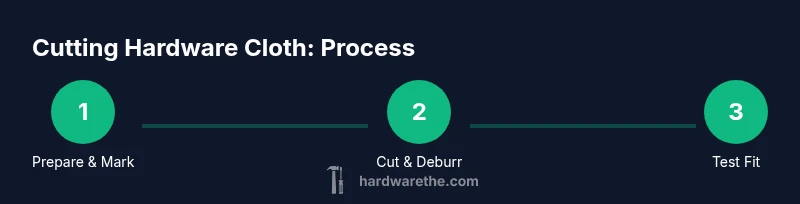
After cutting, inspect the edge for burrs. Use a metal file or deburring tool to smooth any sharp points, reducing the risk of injury during handling or installation. If the cut piece will contact framing or edges, ensure the edge is flush and free of snag points. Test-fit the cut panel in its intended opening, adjusting as needed with gentle trimming. When you’re satisfied with the fit, clean the piece and prepare it for installation in the project.
Common mistakes and how to avoid them
Rushing cuts, using dull blades, or neglecting edge finishing lead to jagged edges and poor fit. Skipping measurement checks can waste material and create misalignment. Not wearing PPE invites injury, and attempting to cut through folds or crimped sections can damage both the cloth and the tool. Always take time to measure twice, cut once, and deburr thoroughly to ensure a professional result. By planning a careful workflow, you’ll achieve consistent, clean edges across all pieces.
Tools & Materials
- Tin snips (straight-cut)(Sharp blades; good for long, straight cuts)
- Aviation snips (left/right/straight)(Helpful for curves or tight corners)
- Cutting gloves (cut-resistant)(Choose leather or synthetic with ANSI cut rating)
- Safety glasses(Eye protection from sharp edges)
- Measuring tape(Accurate length and width checks)
- Soapstone or pencil(Marks are visible on metal mesh)
- Straightedge or ruler(Guides precise cuts)
- Clamps(Keeps mesh steady on the workspace)
- Metal file or deburring tool(Smooths sharp burrs after cutting)
- Work surface or benchtop(Stable, non-slip surface)
Steps
Estimated time: 25-40 minutes
- 1
Prepare workspace and safety gear
Clear the area, lay down a protective mat, and put on cut-resistant gloves and safety glasses. Ensure the mesh can lay flat without twisting. A stable surface reduces slips and keeps the cut line true.
Tip: Use a helper for large sheets to keep cloth flat and prevent snagging. - 2
Measure and mark the cut line
Measure the required dimensions carefully and mark the line with soapstone along the straightedge. Double-check both directions before you cut.
Tip: Mark a second guideline to verify alignment before cutting. - 3
Choose the cutting tool and set up
Select tin snips for straight cuts or aviation snips for curves. Align the tool with the guideline and position your hands to maintain a straight cut.
Tip: Keep blades sharp and clean; a dull blade requires more force and creates rough edges. - 4
Make the cut with steady pressure
Begin cutting along the marked line with smooth, continuous strokes. Let the tool do the work—don’t force the cloth. Pause briefly if you encounter resistance and realign.
Tip: Use minimal twisting; rotate the cloth instead of twisting the tool. - 5
Deburr and smooth the edge
After cutting, use a deburring tool or metal file to smooth any burrs. This makes handling safer and reduces injury risk during installation.
Tip: Wipe the edge with a cloth to remove metal shavings. - 6
Test fit and finalize
Place the cut piece in its intended opening to confirm fit. If adjustments are needed, trim slightly and recheck. Finish with a final edge deburr if required.
Tip: Keep extra scrap pieces nearby for practice fits.
FAQ
What is hardware cloth and where is it used?
Hardware cloth is a woven wire mesh used for screening, pest control, and light structural reinforcement. It comes in various gauges and mesh sizes for different applications, from garden fencing to animal enclosures.
Hardware cloth is a wire mesh used in gardens and enclosures; it comes in different gauges and mesh sizes for various applications.
Can I cut hardware cloth with regular household scissors?
Regular household scissors are unlikely to produce clean cuts on hardware cloth, especially on thicker gauges. Use tin snips or aviation snips designed for metal to get straight, clean edges.
Regular scissors usually can’t cut hardware cloth cleanly; use metal snips for best results.
What safety gear should I wear when cutting hardware cloth?
Wear cut-resistant gloves and safety glasses. Ensure your work area is stable and free of clutter to prevent slips and injuries.
Wear gloves and goggles, and keep the workspace clear to stay safe.
How do I avoid sharp burrs after cutting?
Use a deburring tool or a metal file to smooth the cut edge. Deburring on both sides helps prevent cuts when handling.
Use a deburring tool to smooth edges on both sides.
Is there a preferred tool for curved cuts on hardware cloth?
Aviation snips with a curved or offset jaw are better for curved sections, giving you more control and tighter radii.
For curves, aviation snips with curved jaws work best.
Watch Video
Main Points
- Measure twice, cut once for accuracy
- Choose the right snips for your mesh gauge
- Deburr edges to improve safety and fit
- Stabilize the cloth to prevent slips during cutting