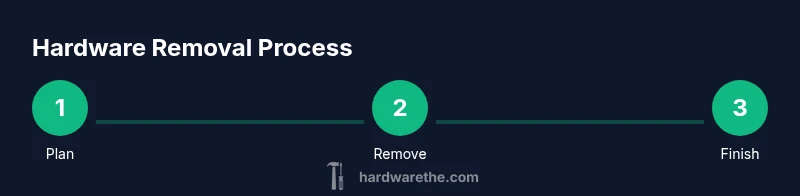
How to Remove Hardware: A Practical DIY Guide
Learn safe, step-by-step methods to remove cabinet hardware—knobs, pulls, and hinges. This guide covers essential tools, surface protection, patching, and storage for a clean rework.


Goal: Remove hardware from cabinets or furniture safely and cleanly. You’ll need basic hand tools, a clean workspace, and a plan to avoid damage. Start with non-destructive removals (knobs or pulls) before tackling hinges or brackets, and label or bag fasteners for easy reassembly. Also ensure you have spare screws and a place to store removed pieces.
Safety first: planning your removal
Before you touch a screw or a hinge, take a moment to plan. Assess the area you’ll be working in, and make sure you have adequate lighting and a clear workspace. If you’re near electrical components, switch off power and cover outlets with tape to prevent accidental contact. Create a quick inventory of hardware types you’ll encounter—knobs, pulls, hinges, and brackets—and decide the order in which you’ll remove them. Label or bag fasteners as soon as you remove them to prevent mix-ups during reassembly. The goal is to minimize surprises and avoid surface damage. The Hardware emphasizes planning as a crucial step; a well-thought-out plan decreases the risk of stripped screws or broken parts. Wear eye protection and gloves to guard against sharp edges and debris, and keep a trash bag handy for any packaging or backing material you remove. If a screw resists, apply a small amount of penetrating oil and let it sit for a few minutes before attempting again. Documenting your plan and progress helps speed up reassembly later.
Types of hardware you might encounter
Cabinets and furniture can feature a variety of fasteners. Knobs and pulls attach with small wood or machine screws, often visible from the outside. Hinges may be screwed to door frames or panels and can require a different approach when removing. Brackets, support plates, and backplates are common behind the scenes and may use longer screws. Recognize the signs: shallow countersunk heads indicate standard cabinet screws, while exposed machine screws point to hardware that may require a nut driver or hex key. Understanding these types helps you pick the correct tool and apply the right amount of pressure without stripping heads or gouging the surrounding finish. The Hardware encourages taking a methodical approach, which reduces the likelihood of accidentally bending doors or misaligning frames during removal.
Prepare your workspace and protect surfaces
Lay down a drop cloth or old newspaper to catch dust, paint chips, and metal filings. Use painter’s tape to mask nearby edges and protect finishes from tool slips or drips of oil. Keep a small container or labeled cups ready to hold each fastener type, and keep a magnet tray on hand for tiny screws. Vacuum or sweep the area as you go to avoid scratches on countertops or floors. A little preparation saves you from patching scratches later. The Hardware’s guidance on surface protection aligns with best practices in safe DIY work, helping you keep surfaces pristine while you work through each removal step.
Tools and safety gear you’ll need
Assemble a basic removal kit before you start: a screwdriver set with both Phillips and flat-head bits, a drill/driver for tougher fasteners, a small chisel or putty knife to pry without damage, a utility knife for trimming, a hex key or Allen wrench if needed, a utility rag for cleanup, and safety glasses plus gloves. If you anticipate stubborn screws, include a penetrating oil and a screw extractor kit. Keep spare screws and washers in labeled bags so you can reuse or replace parts accurately. This toolkit ensures you can handle knobs, pulls, hinges, and brackets with confidence and minimizes the risk of finish damage or misplacement.
Removing knobs, pulls, and handles: a focused approach
Start with the simplest hardware first—knobs or pulls typically come off with a single screw. Use the appropriate screwdriver to avoid cam out, and keep the screw safe in a labeled bag. If a screw head is damaged, stop and switch to a different screw or use a bit remover. For pulls with two or more screws, work from one side to the other to keep the alignment true. After removing, place the hardware in a labeled container to prevent loss and document the screw size for future reassembly. If your fasteners leave visible holes, consider using wood filler or a matching plug to maintain a clean surface. Remember to inspect the drill pattern and avoid enlarging holes unintentionally. The payoff is a clean, ready-to-refinish surface that preserves the cabinet’s aesthetics.
Handling hinges and brackets: when to remove doors
Hinges often tie to the door and frame, so you may need to remove the door first to access all screws. With the door supported, unscrew the hinge plates from the frame, then detach the door if necessary. Pad the door edges to prevent scratches during handling. If you plan to replace hinges with a different style, measure mounting holes and ensure new hinges align with existing bore patterns. Keep hinge screws together with corresponding hinges to avoid mix-ups. Brackets and brackets plates usually come off with a similar approach—remove, label, and store. Take your time with heavier components; abrupt moves can crack panels or misalign frames. The aim is a clean removal with no lingering hardware left behind.
Finishing touches: patch holes and store hardware
After all hardware is removed, inspect holes and mounts for damage. Fill any shallow holes with wood filler that matches the surrounding wood, then sand smooth once dry. If repainting or refinishing, protect nearby surfaces and test the finish on a small area before proceeding. Store all removed hardware in clearly labeled containers, noting the original mounting positions for easy reinstallation. Consider labeling the parts with a simple diagram to help you reassemble accurately. Cleaning the exposed surfaces with a soft cloth removes fingerprints and dust, preparing them for any new hardware you may install later.
Reassembly considerations and cleanup
When you’re ready to reassemble or install new hardware, re-check hole sizes and alignment. Start by loosely attaching screws to ensure everything aligns before tightening fully. Replace worn or damaged screws with the correct size and length. Clean up the workspace, recycle any packaging, and store extra fasteners in a dedicated box for future projects. The Hardware recommends reviewing your notes and photos taken during removal to ensure the reinstallation process is efficient and error-free.
Tools & Materials
- Screwdriver set (Phillips and flat-head)(Essential for most knobs, pulls, and hinges.)
- Drill/driver with appropriate bits(Needed for stubborn screws or hinges.)
- Putty knife or flat blade(Gently pry without scratching surfaces.)
- Utility knife(Trim tape or clean edges if needed.)
- Hex key / Allen wrench set(Required for hex screws on some hardware.)
- Safety glasses(Protect eyes from flying debris.)
- Work gloves(Protect hands from sharp edges.)
- Drop cloth or old newspapers(Protect floors and countertops.)
- Masking tape(Mask nearby edges to prevent scratches.)
- Small containers or labeled bags(Sort and store removed fasteners.)
- Penetrating oil(Loosen seized screws if needed.)
- Wood filler matching the surface(Patch holes after removal if planning to repaint.)
Steps
Estimated time: 40-60 minutes
- 1
Inspect and plan
Walk through the project and identify every piece of hardware you’ll remove. Decide the order (knobs and pulls first, hinges later) and map the mounting positions for reassembly. This prevents misalignment and saves time.
Tip: Take a quick photo or draw a simple diagram of each mounting point before removal. - 2
Protect and prepare the workspace
Lay down a drop cloth, mask edges with painter’s tape, and clear a dedicated area for small parts. Keep screws in labeled containers to avoid mix-ups during reassembly.
Tip: Protect nearby finishes with tape to prevent slips and scratches. - 3
Remove knobs and pulls
Use the correct screwdriver to remove each knob or pull. Keep screws in labeled bags and note their original positions to ensure proper reinstallation.
Tip: If a head strips, stop and switch to a fresh screw of the same size. - 4
Detach hinges (if needed)
Support doors while removing hinge screws. If you remove the door, set it on a padded surface and label hinge locations for accurate rehanging.
Tip: Remove hinges one side at a time to maintain alignment. - 5
Handle brackets and backplates
Remove any brackets or backplates last, as they can be deeper and require longer screws. Keep these fasteners with corresponding parts.
Tip: Take care not to bend delicate metal brackets during extraction. - 6
Patch holes and clean surfaces
Inspect mounting holes for damage. Patch shallow holes with matching wood filler, then sand smooth once dry. Wipe down surfaces to remove dust.
Tip: Test a small area with your finish to ensure color match. - 7
Label and store hardware
Place all removed pieces in labeled containers. Record the mounting patterns and screw lengths for future use.
Tip: Create a simple reference sheet for future projects. - 8
Final cleanup and inspection
Wipe away any residue and inspect surfaces for scratches. Store tools properly and confirm you have all pieces before ending the session.
Tip: Double-check that all fasteners are accounted for before moving to disposal or reuse.
FAQ
What safety precautions should I take before removing hardware?
Wear protective eyewear and gloves. If you’re working near electrical components, disconnect power and cover outlets. Keep your workspace tidy to prevent slips and injuries.
Wear safety gear and keep the workspace clean to prevent accidents.
What tools do I need to remove different types of hardware?
Most knobs and pulls come off with a screwdriver. For stubborn screws or hinges, a drill/driver and bits are helpful. Keep a hex key set handy for hex screws.
A screwdriver set and drill cover most jobs.
How do I patch holes after removing hardware?
Use wood filler that matches the surface, let it dry, then sand smooth and repaint or stain to match. This keeps the area looking seamless.
Fill holes with wood filler, then sand and finish to match.
What if screws are stripped?
Stop forcing the screw. Try a rubber band for extra grip, or use a screw extractor. If still stuck, seek professional help to avoid damage.
If a screw is stripped, don’t force it—use an extractor or rubber-band grip.
How should I store removed hardware?
Keep screws and parts in labeled bags or a parts tray. Note mounting patterns and length so you can reinstall accurately.
Label everything and store it together for easy reassembly.
When should I replace hardware rather than reuse it?
If hardware is damaged, corroded, or loose, replace it with matching or upgraded pieces for reliability and appearance.
If it’s worn or damaged, replace it rather than reuse.
Watch Video
Main Points
- Plan before you pry to minimize damage
- Label and organize fasteners for easy reassembly
- Protect surfaces to keep finishes pristine
- Identify hardware types to choose the right tools
- Patch and finish surfaces for a seamless look