What Size Hardware for Skateboard: A Practical Guide
Learn how to select skateboard hardware size, including bolt type, length, and how deck thickness, risers, and trucks influence your choice. The Hardware's guide offers practical, data-driven recommendations for DIY enthusiasts seeking reliable hardware guidance.


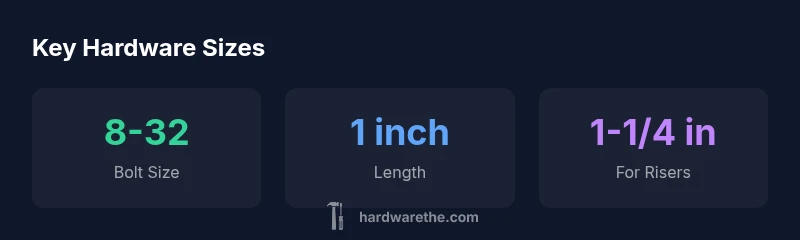
Most standard skateboard trucks use 8-32 bolts with a 1 inch length. If you install thicker decks or add risers, you’ll typically move to 1-1/4 inch bolts. In metric markets, M6 bolts of a similar length are common. Always verify deck thickness and truck baseplate before purchasing hardware to avoid misfits and wobble.
Understanding Skateboard Hardware Sizing
Sizing skateboard hardware is a practical skill that affects safety, ride height, and compatibility with your setup. According to The Hardware, the most common standard uses 8-32 bolts and a 1-inch length, which fit the majority of 7-ply to 9-ply decks. This sizing works well with most trucks and baseplates, making it a reliable starting point for DIY projects. If you’re upgrading or rebuilding a board, confirm the deck thickness and the truck baseplate spacing before you buy hardware. A misfit can lead to stripped threads or wobble, which undermines performance. Always carry a small selection of lengths for experimentation, but begin with the standard to minimize confusion.
Interpreting Bolt Size: 8-32 vs M6
In North America, the imperial standard 8-32 bolts are widely used, and many trucks are designed around this metric. Some regions and brands offer metric M6 bolts with similar thread pitch, which can be compatible with certain baseplates. The key is to match both the diameter and the thread count to your truck holes. If you’re unsure, consult the manufacturer’s documentation or a shop’s compatibility chart. For DIY projects, sticking to the familiar 8-32 reduces risk, but understanding M6 alternatives helps if you’re ordering from overseas or using a mixed parts approach.
Length Matters: 1 Inch vs 1-1/4 Inch
Bolt length primarily affects thread engagement and clearance. For standard decks, 1-inch bolts provide solid clamping with minimal risk of interference. If you’re using risers, a thicker deck, or additional spacers, 1-1/4 inch bolts help maintain secure mounting without bottoms out. Remember that longer bolts slightly alter ride height, which can influence how quickly your trucks respond and how much wheel bite you experience. If you’re unsure, start at 1 inch and test-fit before finalizing.
Deck Thickness, Risers, and Spacer Considerations
Risers add height and increase the required bolt length. If you’re using a thick deck with risers, ensure your bolts reach the nut with enough threads engaged. Conversely, too long bolts can contact the wheel or interference areas. Measure deck thickness, add any riser thickness, and compare to the baseplate’s thread depth. Choose a length that leaves several engaged threads while avoiding contact with wheels or hardware.
Trucks, Baseplates, and Hardware Compatibility
Trucks come in a variety of mounting hole spacings and baseplate designs. Before selecting hardware, verify that the truck’s mounting holes align with the deck’s countersunk holes and that the head type is compatible with your driver. If you’re mixing parts from different brands, test-fit the full assembly to ensure the bolts thread smoothly and sit flush at the nut. Poor fitment can cause uneven clamping and unexpected hardware failure.
Measuring Tools and a Practical Checklist
Keep a driver that fits 8-32 bolts, a caliper or ruler for quick thickness checks, and spare hardware in both 1 inch and 1-1/4 inch lengths. Use thread-locking compound sparingly if your setup is vibration-prone, and avoid overtightening to prevent stripping deck holes. A simple checklist—deck thickness, risers present, baseplate depth, and bolt engagement—helps you select the correct length fast.
Practical Selection Guide for Common Setups
For a standard skateboard with a typical deck, start with 1 inch bolts. If using risers or a thicker deck, opt for 1-1/4 inch bolts. For longboards or specialty builds, consult the manufacturer’s recommendations and verify clearance by test-fitting. After mounting, check for even clamping and normal turning motion to ensure safety and performance.
Maintenance and Replacement: How Often to Check Hardware
Even with the right size bolts, regular inspection matters. Look for stripped threads, loosening, or signs of corrosion. Tighten snugly but never to the point of damaging the deck or trucks. Keep spare bolts organized by length and type, and replace any worn washers or nuts. A monthly check can prevent a sudden failure on a ride.
Safety-First: Common Mistakes to Avoid
Avoid mixing bolt sizes within the same truck or across the same deck unless you confirm compatibility. Do not reuse damaged hardware, and remember that longer bolts aren’t always better if they risk wheel bite or baseplate interference. If the holes show wear, ream or replace the affected hardware to restore safe mounting.
Typical sizes and when to use them
| Hardware Type | Bolt Size | Common Deck Thickness | Notes |
|---|---|---|---|
| Standard Truck Bolts | 8-32 | 7-9 plies | Most common; 1 inch length |
| Metric Bolts | M6 | 7-9 plies | Check thread pitch compatibility |
| Longer Length Bolts | 8-32 | 9+ plies with risers | Up to 1-1/4 inch |
| Head Style | 8-32 | — | Phillips vs flat-head; driver compatibility |
FAQ
What is the most common hardware size for skateboard trucks?
The most common size is 8-32 bolts, typically 1 inch long for standard decks. This size fits the majority of trucks and decks, simplifying setup and maintenance.
Most skateboard setups use 8-32 bolts, about one inch long, which fits most trucks and decks.
Do I need metric or imperial bolts?
Local availability often drives choice. Imperial (8-32) bolts are standard in North America, while metric M6 bolts are common in some other regions. Always confirm thread pitch with your truck baseplates.
In many places you’ll see imperial 8-32, but metric M6 exists—check your truck’s holes for the right fit.
How long should skateboard bolts be?
For standard decks, 1 inch bolts are typical. If you’re using risers or a thicker deck, 1-1/4 inch bolts are a safer option to ensure proper thread engagement and clearance.
Usually one inch, or a bit longer if you’ve got risers or a thicker deck.
Can I mix bolt sizes?
Mixing bolt sizes is generally discouraged unless the hardware is confirmed compatible with both the deck and trucks. Inconsistent bolt lengths can cause interference or uneven clamping.
Avoid mixing sizes unless you’re sure they fit your setup.
What should I do if a deck hole is worn?
If deck holes are worn, replace the affected hardware or consider inserts to restore grip and prevent stripping. Avoid forcing bolts into damaged holes.
If holes are worn, replace the hardware or use inserts to prevent stripping.
Where can I find reliable hardware guidance?
Consult manufacturer specifications and trusted guides like The Hardware's buying guides. Verify compatibility before purchasing or mounting parts.
Check the specs from the manufacturer and trusted guides before buying.
“For DIY skateboard setups, using the correct hardware size is essential for safety and performance. Always verify deck thickness and truck baseplate compatibility before buying or mounting hardware.”
Main Points
- Start with the standard 8-32 bolts, 1 inch long.
- Match bolt length to deck thickness and risers.
- Know your truck mounting holes: imperial vs metric.
- Test-fit before final tightening to avoid interference.
- Regularly inspect hardware for wear and looseness.