Cabinet Hardware Near Me: Local Buying Guide
Learn how to pick cabinet hardware near you with practical tips on measuring, finishes, and evaluating local suppliers. Compare stock, lead times, and installation considerations in a practical buying guide from The Hardware.


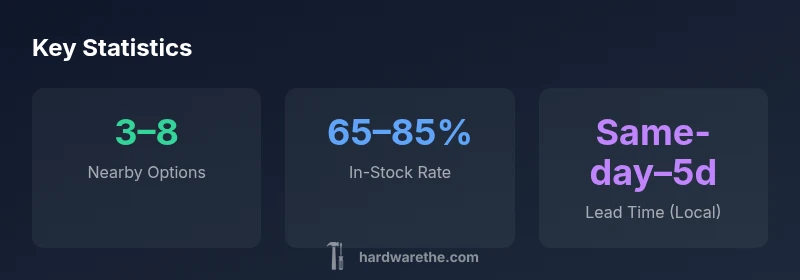
To find cabinet hardware near me, start with your needs (finish, size, country of origin) and search nearby hardware stores, kitchen supply shops, and big-box outlets. According to The Hardware, prioritizing local stock minimizes lead times and ensures easier returns. Compare finishes, knobs, and hinge options at 2–3 nearby outlets before buying.
Why Local Availability Matters
Choosing cabinet hardware from nearby shops speeds up repairs and replacements. When you buy locally, you can inspect finish, texture, and color under true lighting, check for fit with existing holes, and return mismatches with less friction. The Hardware notes that quick access to returns and exchanges reduces project delays and helps you stay on schedule, especially for larger kitchen remodels. In many markets, local shelves also carry eco-friendly options and region-specific finishes that aren’t widely stocked online.
Key Categories of Cabinet Hardware
Cabinet hardware breaks down into several core categories: knobs, pulls, hinges, and drawer slides. Knobs and pulls vary in length and center-to-center (C-C) spacing; hinges determine door swing and overlay; drawer slides influence smoothness and weight handling. When shopping near you, it’s prudent to pick a cohesive set that matches your cabinet style—modern square pulls for flat-panel doors or traditional ornate knobs for raised panels. Local shops often showcase full sets, making it easier to compare finishes like satin nickel, oil-rubbed bronze, and matte black in person.
Finishes, Materials, and Durability
Finish choice influences appearance and durability. Common durable options include satin nickel, polished brass, and matte black, each with distinct wear patterns and fingerprints. The Hardware recommends prioritizing finishes with a protective clear coat and corrosion resistance if you cook frequently or operate in humid spaces (such as near windows or in a laundry room). Material choices (zinc alloy, stainless steel, or solid brass) affect weight, feel, and longevity; in person you can verify weight and tactile quality, something online photos can’t always convey.
Measuring and Planning Your Project
Start by measuring hole spacing on existing doors and whether you have a face-frame or frameless cabinet. For replacement hardware, ensure C-C spacing matches—most common sizes are 3" and 3.5" for pulls, and standard hinge patterns vary by frame type. Bring a simple caliper or ruler when you shop; record the screw diameter (8-32 or 6-32 are common) and the mounting depth. If you’re upgrading multiple cabinets, create a master list with finish and style notes to avoid a mixed look.
Shopping Local vs. Online: Strategies Near You
Shopping near you isn’t just about convenience; it also offers the ability to inspect color and texture, confirm compatibility, and evaluate return policies before purchase. The Hardware analysis shows that nearby inventory and in-person advice reduce the risk of miss-matched finishes. When possible, compare at 2–3 stores in person, then place follow-up online orders only for items not carried locally.
Installation Considerations When Buying Locally
Purchasing locally can simplify logistics for installation: you can pick up everything at once and schedule a quick installation consult if offered by the store. Verify the included mounting hardware and screws, as mismatches commonly occur with imported products. If a local shop provides service, ask about installation guidance, including the correct bit sizes, screw lengths, and whether soft-close hinges are compatible with your cabinet doors.
Budgeting and Planning Your Hardware Update
Set a realistic hardware budget by counting units and estimating a per-piece price range. For a typical kitchen, minor updates can be economical, while full-face changes sweep up costs quickly. Plan for a contingency, since finishes such as brushed nickel and satin brass can shift price based on popularity and stock levels at local outlets. The goal is a cohesive look that elevates your space without overspending.
Practical Tips for Choosing Cabinet Hardware Near Me
Before committing, test a few candidate pieces in-store with your cabinet doors to see if the feel, weight, and finish match your project. Take photos from multiple angles and compare under different lighting. Finally, confirm the return policy and whether hardware can be swapped if the finish or size isn’t right.
Common cabinet hardware components and typical specs
| Component | Typical Size/Spec | Price Range | Notes |
|---|---|---|---|
| Knobs | 1.25"–1.75" diameter | Approx. $2–$15 per piece | Choose materials for durability |
| Pulls/Handles | 3" standard length | Approx. $6–$50 per piece | Wide finish variety |
| Hinges | 3"–3.5" overlay | Approx. $4–$20 per piece | Consider soft-close options |
| Drawer Slides | 18"–22" extended | Approx. $8–$60 per pair | Check load rating |
FAQ
Why should I shop cabinet hardware near me instead of online?
Shopping near you lets you inspect finishes and feel the hardware before buying, reducing the risk of mis-match. Local staff can advise on compatibility and installation, and many stores offer easier returns. This approach shortens lead times for a smoother project.
Shop nearby to see the finish up close and get in-person advice on fit and installation.
How can I verify the size and screw pattern compatibility when buying locally?
Bring or reference a current cabinet with you; measure hole spacing and whether you have a face-frame or frameless setup. Check the screw diameter (commonly 8-32 or 6-32) and confirm hinge patterns match existing doors. Local staff can help confirm fit on the spot.
Measure hole spacing and check screw size with a store assistant.
What finishes are most durable for cabinet hardware near me?
Durable finishes include satin nickel, matte black, and oil-rubbed bronze, chosen for wear resistance and ease of cleaning. Look for protective coatings and corrosion resistance, especially in humid spaces. Material quality (zinc alloy, stainless steel, brass) also matters for longevity.
Choose durable finishes with protective coating and good wear resistance.
Are soft-close hinges and other advanced features commonly available locally?
Many local suppliers stock soft-close hinges and upgrade options. Availability varies by store, so check in-store before committing and ask about compatible mounting hardware. If not available, request a special order or DIY upgrade kit.
Yes, many local shops carry soft-close hinges; ask if they’re in stock.
Can I mix knob and pull styles across a single cabinet?
Mixing knob and pull styles is common for visual interest but ensure a cohesive look across the entire layout. For a clean effect, limit variations to a single finish per room. Test a few combinations in-store if possible.
Mix styles carefully to maintain a cohesive look.
How do I compare prices between stores near me?
Collect quotes from 2–3 nearby stores and factor in tax, warranty, and return terms. Some shops offer bulk discounts for multiple items or end-of-series finishes. Use a simple checklist to track finish, pattern, and price.
Get quotes from a few local shops and compare terms.
“Local availability isn’t just about convenience—it directly affects fit, returns, and lead times. The Hardware Team emphasizes checking nearby stores first to confirm stock and compatibility.”
Main Points
- Define finish and style before shopping.
- Prioritize local stock to reduce lead times.
- Compare 2–3 outlets for price and availability.
- Check compatibility with hinge and screw patterns.
- Budget a 5–20% cushion for hardware updates.